



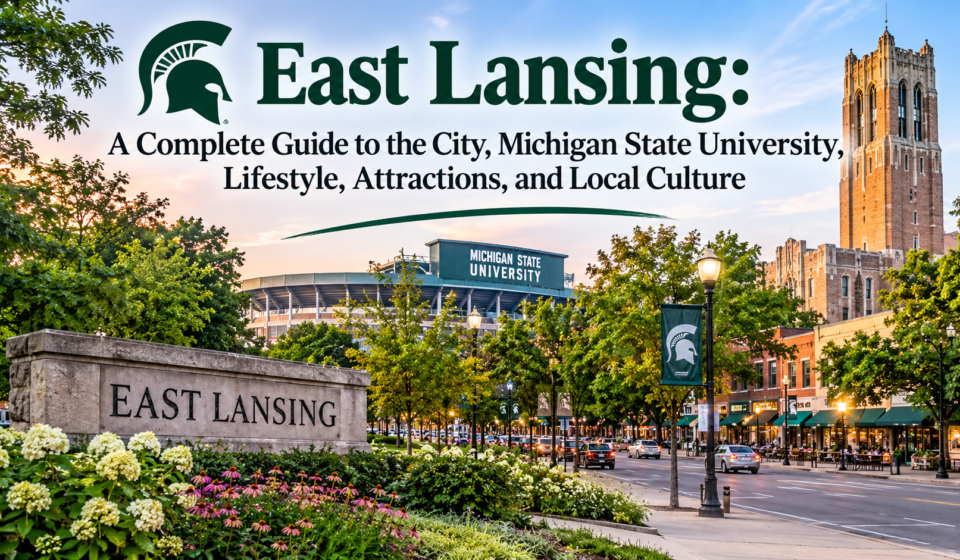
East Lansing: A Complete Guide to the City, Michigan State University, Lifestyle, Attractions, and Local Culture

East Lansing is a vibrant city in Michigan that combines the excitement of university life with the comfort of a welcoming residential community. Known primarily as the home of Michigan State University, East Lansing attracts students, families, professionals, sports fans, visitors, and people interested in experiencing the culture of Mid-Michigan. The city has a distinctive atmosphere shaped by education, local businesses, entertainment, beautiful green spaces, and a strong connection to its surrounding communities. Whether someone is considering moving to East Lansing, planning a visit, exploring educational opportunities, or simply learning more about this Michigan destination, the city offers plenty of interesting things to discover.
What makes East Lansing particularly appealing is its ability to balance an energetic college-town environment with the everyday conveniences of a developed city. Its downtown district provides restaurants, shops, entertainment, and gathering places, while its residential neighborhoods offer a different pace of life. The presence of Michigan State University adds international influence, academic opportunities, sporting traditions, and cultural activities to the community. East Lansing is also closely connected to Lansing, Michigan’s capital city, giving residents access to additional employment opportunities, public institutions, healthcare facilities, and regional attractions.
From its historical beginnings to its modern identity, East Lansing has developed into a community with a personality of its own. Its educational reputation, welcoming atmosphere, cultural diversity, recreational opportunities, and local traditions make it an interesting destination for people from different backgrounds.
Understanding East Lansing and Its Location
East Lansing is located in Ingham County in the south-central part of Michigan. It sits directly beside Lansing, the state capital, and forms an important part of the Greater Lansing region. Its location gives the community a useful combination of university-town energy and access to the services, employment opportunities, and public facilities associated with a state capital. People living in East Lansing can enjoy a relatively compact community while remaining connected to a larger metropolitan area.
The city’s location is one of its important advantages. Michigan is known for its Great Lakes surroundings, natural landscapes, changing seasons, and extensive road networks. East Lansing provides access to different parts of the state, making it a convenient base for exploring Michigan. Residents can travel toward other communities, visit regional parks, attend events, or plan weekend trips without living in a major metropolitan center.
East Lansing is especially recognizable because of its relationship with Michigan State University. The university occupies a significant place in the community’s identity, influencing local development, employment, housing, transportation, restaurants, and entertainment. Visitors often associate East Lansing with the university, but the city is much more than a campus destination. It is also a residential community with families, independent businesses, public services, cultural organizations, and long-term residents.
Its position near Lansing creates additional advantages. People who work in government, healthcare, education, manufacturing, technology, and professional services can explore opportunities throughout the wider region. This relationship between neighboring communities helps East Lansing maintain a diverse economic and social environment.
The History and Development of East Lansing
The history of East Lansing is closely connected to the development of Michigan State University. Before the city became the recognizable community it is today, the area was strongly influenced by the establishment and expansion of Michigan Agricultural College. The institution was founded in the nineteenth century and gradually attracted students, educators, employees, and businesses to the surrounding area.
The early settlement developed around the educational institution. Faculty members and other university employees needed housing, services, and places to conduct everyday activities. As the college expanded, nearby residential development became increasingly important. The community gradually developed beyond the original campus environment, creating the foundations of a permanent town.
The area was originally known as Collegeville. Its identity reflected the close relationship between the settlement and the agricultural college. In time, the growing community needed a more established municipal structure and a distinct civic identity. East Lansing was officially chartered in the early twentieth century, marking an important stage in its development. The city’s growth continued alongside the expansion of the university and the surrounding region.
Historical homes and older neighborhoods still provide reminders of East Lansing’s earlier character. Some buildings reflect architectural styles associated with the university’s early development, while newer residential and commercial properties demonstrate how the community has changed. This combination of older architecture and modern development contributes to the city’s visual personality.
East Lansing has continued to evolve as educational institutions, businesses, public services, and residential communities have expanded. Its development has not been separate from the university but has grown through an ongoing relationship between academic life and the wider community. This connection remains central to understanding the city’s history and modern identity.
Michigan State University and Its Influence on East Lansing
Michigan State University is one of the most recognizable institutions in Michigan and the most influential presence in East Lansing. The university gives the city much of its international visibility and contributes significantly to its economy, culture, educational environment, and community atmosphere. Students, professors, researchers, university employees, visiting families, and sports supporters bring a constant flow of activity to the area.
The university’s presence makes East Lansing particularly attractive to people interested in higher education. Students from different states and countries come to the community to pursue academic programs, participate in research, develop professional skills, and experience university life. Their presence creates a diverse environment where different cultures, languages, interests, and perspectives come together.
Michigan State University also contributes to employment and business opportunities. Universities require a wide range of services, including administration, research support, food services, maintenance, healthcare, technology, transportation, and professional assistance. These activities create employment throughout the region and support local businesses that serve students, employees, and visitors.
The relationship between the university and East Lansing extends beyond education. University events, athletic competitions, performances, exhibitions, and public programs attract people to the city. Families visit students, alumni return for special occasions, and visitors attend cultural and sporting events. These activities help maintain a lively atmosphere throughout much of the year.
The university campus also adds to the visual appeal of the area. Its landscaped grounds, historic buildings, open spaces, and academic facilities create an environment that is different from many conventional urban neighborhoods. For many people, Michigan State University is the first place they think of when they hear the name East Lansing.
East Lansing as a Popular College Town
East Lansing is widely recognized as a college town because university life influences nearly every part of the local experience. The presence of students creates demand for housing, dining, transportation, entertainment, shopping, and recreational activities. This gives the city a youthful atmosphere that can be especially noticeable during the academic year.
A college town is more than a location with a university. It is a community where academic activities influence the local economy, culture, social life, and daily routines. East Lansing demonstrates this relationship through its downtown businesses, student-friendly services, university events, and public spaces where residents and visitors regularly interact.
Students contribute fresh ideas, different cultural experiences, and an active social environment. Local businesses respond to their needs by providing convenient dining options, affordable services, study-friendly spaces, and entertainment. At the same time, established residents and families help maintain the community’s broader character.
The atmosphere changes throughout the year. During academic sessions, the university and surrounding neighborhoods become especially active. Sporting events, student activities, campus programs, and cultural gatherings create additional movement throughout the city. During academic breaks, some areas become quieter, giving the community a different rhythm.
This changing environment is one of the defining characteristics of East Lansing. People who enjoy active communities may appreciate the energy associated with university life, while those who prefer quieter surroundings can explore residential areas farther from the busiest campus and downtown locations.
Downtown East Lansing and Its Local Character
Downtown East Lansing is an important part of the city’s social and commercial life. Located near Michigan State University, the downtown district brings together restaurants, coffee shops, retail businesses, services, and entertainment venues. It provides convenient places for students, employees, residents, and visitors to meet and spend time.
The district has a recognizable college-town atmosphere. People walk between businesses, meet friends for meals, visit local stores, and attend events. Its relationship with the university creates a steady flow of customers and visitors, making downtown an important destination for everyday activities as well as special occasions.
Restaurants are a major part of the downtown experience. Visitors can find different cuisines, casual dining establishments, quick meals, coffee shops, and places suited to social gatherings. This variety reflects the cultural diversity associated with the university community. People with different food preferences can often find options that suit their tastes and budgets.
Shopping also contributes to the district’s appeal. Local retailers and service businesses provide products and conveniences for people who live, study, or work nearby. Although East Lansing has a university-centered commercial environment, its downtown district also serves the wider residential population.
The downtown area continues to play an important role in the city’s development. Public improvements, local business initiatives, community events, and redevelopment projects help maintain its position as a central gathering place. For someone visiting East Lansing for the first time, downtown is a useful place to begin exploring the city’s everyday character.
What Makes East Lansing an Interesting Place to Visit
East Lansing offers a variety of experiences for visitors. Some people arrive because of Michigan State University, while others come for sporting events, cultural attractions, family visits, festivals, or regional travel. The city provides a mixture of educational, recreational, and entertainment opportunities that can make a visit enjoyable.
One of the most attractive aspects of East Lansing is its university environment. Visitors can experience the atmosphere of a major educational institution, explore public areas of campus, admire its architecture, and learn about the university’s history. The campus provides a different setting from traditional shopping or entertainment districts.
Art and culture also contribute to the visitor experience. Museums, galleries, theaters, and university programs provide opportunities to explore creative work and performances. These attractions help East Lansing appeal to visitors who want something beyond restaurants and shopping.
Outdoor recreation offers another reason to visit. Parks, walking paths, and green spaces create opportunities to enjoy fresh air and spend time away from busy streets. During pleasant weather, these locations can be especially appealing to families, students, photographers, and people who enjoy walking.
East Lansing also benefits from its location near Lansing. Visitors can combine activities in the university community with attractions in the state capital. This makes the wider area useful for travelers who want to explore educational institutions, government landmarks, cultural venues, and regional entertainment within the same trip.
Michigan State University Campus and Its Attractions
The Michigan State University campus is one of the most important places to explore in East Lansing. Its combination of historic buildings, landscaped grounds, educational facilities, and open spaces creates a distinctive environment. The campus is not simply a place where students attend classes. It is also a major part of the city’s cultural and recreational identity.
Visitors often appreciate the campus for its attractive surroundings. Mature trees, green spaces, walkways, and architectural features create a welcoming environment, particularly during spring and summer. Autumn brings colorful leaves, while winter introduces a different atmosphere with snow-covered grounds and quieter pathways.
The university’s academic identity is reflected in its libraries, research facilities, museums, and educational buildings. These places represent the institution’s contribution to teaching, scholarship, scientific discovery, and public engagement. People interested in education and research can gain a better understanding of the university by exploring its public-facing facilities and programs.
The campus is also a gathering place for sporting and cultural activities. Athletic competitions attract students, alumni, and supporters, while performances and exhibitions bring different audiences to university venues. This variety helps the campus remain active beyond ordinary academic schedules.
For visitors, the best approach is to explore respectfully and check public access arrangements before entering particular facilities. Some buildings and university spaces may have visitor restrictions, while outdoor areas and designated public attractions provide more accessible ways to experience the campus.
The Broad Art Museum and Creative Culture
The Eli and Edythe Broad Art Museum is an important cultural attraction associated with Michigan State University. Its distinctive contemporary architecture makes it recognizable even to visitors who have little previous knowledge of the university. The museum contributes to the cultural identity of East Lansing by providing a place where people can experience visual art, creative ideas, and exhibitions.
Contemporary art often encourages visitors to think about subjects in different ways. Exhibitions can explore identity, society, history, technology, politics, and everyday experiences through a variety of artistic approaches. The museum’s changing displays help create opportunities for repeated visits and new discoveries.
The building itself is also part of the experience. Its modern design contrasts with some of the more traditional university architecture, demonstrating how East Lansing combines historic surroundings with contemporary cultural development. Architecture enthusiasts and photographers may find the structure particularly interesting.
The museum helps connect the university with the broader public. Art exhibitions and educational activities can attract students, families, artists, visitors, and residents who may not otherwise participate in university events. This public-facing role strengthens the city’s cultural environment.
Anyone planning to visit should check current exhibition information and opening arrangements before traveling. Museum schedules and special programs can change, so confirming details makes it easier to organize a visit.
Wharton Center and Performing Arts in East Lansing
The Wharton Center for Performing Arts is another important cultural destination connected with Michigan State University. It provides a venue for theatrical performances, touring productions, music, dance, and other live entertainment. Its presence gives East Lansing access to professional performances that attract audiences from across the region.
Live performances create a different experience from watching entertainment through a screen. The atmosphere of a theater, the interaction between performers and audiences, and the shared experience of attending an event can make an evening memorable. The Wharton Center helps bring these experiences to the university community and surrounding area.
Its programming can appeal to different audiences. Theater enthusiasts may enjoy stage productions, while music fans can explore concerts and special performances. Families may also find selected events that offer suitable entertainment for younger audiences.
The center contributes to East Lansing’s reputation as a community with a strong cultural identity. It provides an additional reason for people from nearby cities and towns to visit. When combined with restaurants, campus attractions, and downtown activities, a performance can become part of a complete evening out.
Visitors should review the current event calendar, ticket availability, venue policies, and performance details before making plans. The range of programming can change throughout the year.
Parks and Outdoor Recreation in East Lansing
Outdoor spaces are an important part of East Lansing’s quality of life. Although the city is closely associated with university buildings and commercial activity, it also offers parks, trails, playgrounds, and recreational facilities. These spaces give residents opportunities to exercise, relax, spend time with family, and enjoy the natural environment.
Parks serve different purposes depending on their size and facilities. Some provide playground equipment and open lawns, while others offer walking routes, sports facilities, or quiet natural surroundings. This variety makes outdoor recreation accessible to people with different interests and activity levels.
Walking and cycling are popular ways to experience green spaces. Trails can provide a convenient alternative to busy roads and create opportunities to explore the community at a slower pace. People who enjoy photography, birdwatching, or simply spending time outdoors may also appreciate the city’s natural areas.
Outdoor spaces are particularly valuable in a university community. Students can use parks to take breaks from academic responsibilities, while families can enjoy recreational activities away from crowded commercial districts. These spaces also provide opportunities for community gatherings and local events.
Seasonal changes influence outdoor recreation. Spring brings new growth and blooming plants, summer encourages outdoor activities, autumn creates colorful scenery, and winter offers a different landscape. Residents who enjoy experiencing changing seasons may find this variety appealing.
Northern Tier Trail and Nature Experiences
The Northern Tier Trail is an important recreational feature in East Lansing. It provides a way for residents and visitors to enjoy outdoor movement while experiencing different natural surroundings. Trails such as this are valuable because they connect recreational areas and encourage people to explore the community without depending entirely on motor vehicles.
Walking along a trail can be a simple but rewarding activity. People can enjoy fresh air, observe plants and wildlife, exercise, or take a quiet break from daily responsibilities. The Northern Tier Trail contributes to the city’s network of outdoor opportunities and supports a healthier lifestyle.
Nature-based recreation is useful for people of different ages and fitness levels. Some visitors may prefer a relaxed walk, while others may use available routes for more active exercise. The experience depends on the section visited, weather conditions, trail maintenance, and personal preferences.
The trail also demonstrates how urban communities can preserve access to nature. Greenways and recreational paths help create connections between residential areas and outdoor spaces. They can improve the everyday experience of living in a city while encouraging environmentally responsible transportation.
Before visiting, it is sensible to check local trail information, seasonal conditions, and any temporary closures. Comfortable footwear and weather-appropriate clothing can make an outdoor visit more enjoyable.
East Lansing Art Festival and Community Events
Community events play an important role in the identity of East Lansing. Festivals, concerts, cultural gatherings, and public celebrations create opportunities for residents and visitors to connect. They also provide local artists, performers, and businesses with ways to reach new audiences.
The East Lansing Art Festival is one of the city’s recognizable cultural traditions. It brings attention to visual creativity and provides an opportunity for artists to display their work. Visitors can explore artistic styles, meet creative professionals, and enjoy an atmosphere focused on culture and community participation.
Art festivals also help support local economic activity. Visitors may purchase artwork, explore nearby restaurants, and spend time in downtown businesses. These events can introduce people to the city who might otherwise visit only for university activities or sporting competitions.
The Summer Solstice Jazz Festival is another event associated with the area’s cultural atmosphere. Music festivals create opportunities for people to enjoy live performances in a community setting. They can bring together residents, students, families, and visitors who share an interest in music.
Community programming is not limited to major festivals. Concerts, public celebrations, educational activities, theater events, and neighborhood gatherings help maintain an active social environment. Anyone interested in attending should consult current local event information because dates, schedules, and arrangements can vary.
East Lansing Dining and Restaurant Culture
Dining is an important part of the East Lansing experience. The city’s restaurants reflect its university-centered population and broader cultural diversity. Students, residents, employees, and visitors create demand for different types of food, from quick lunches and coffee to relaxed dinners and special occasions.
The dining environment includes casual restaurants, international cuisines, cafes, takeaway options, and establishments suited to social gatherings. This variety makes it easier for people with different budgets and food preferences to find something appealing. The presence of students also encourages convenient dining options near campus and downtown.
International influences are particularly noticeable in a community connected to a major university. Students and employees arrive from different parts of the world, bringing food traditions and culinary interests with them. This diversity contributes to the variety of restaurants and dining experiences available in the wider area.
Coffee shops and cafes are also important. They can provide comfortable places for studying, working, meeting friends, or enjoying a quiet break. For students, a nearby cafe may become part of an everyday routine, while visitors may use these spaces to relax between activities.
People planning to dine in East Lansing should consider their preferred atmosphere, budget, dietary requirements, and location. Restaurant offerings and operating schedules can change, so checking current information is useful when planning a specific visit.
Shopping and Local Businesses in East Lansing
East Lansing has a variety of shopping opportunities that support the needs of students, families, professionals, and visitors. The downtown district is particularly important because it brings together local retailers, restaurants, personal services, and other businesses in a walkable environment. People can explore shops, purchase everyday essentials, meet friends, and enjoy the convenience of having different services close together.
Local businesses contribute significantly to the personality of East Lansing. Independent shops and smaller establishments give the community a distinctive character that cannot always be found in large commercial shopping centers. These businesses often become familiar places for residents and students, helping create a stronger connection between customers and the local community.
The university population also influences the shopping environment. Students frequently look for affordable clothing, technology accessories, stationery, groceries, personal care products, and convenient services. Local businesses respond to these needs by offering products and experiences suited to a wide range of customers.
People interested in shopping can also explore commercial destinations throughout Greater Lansing. The neighboring communities provide additional retail choices, supermarkets, specialty stores, and larger shopping centers. This combination gives East Lansing residents access to both neighborhood shopping and wider regional retail opportunities.
Living in East Lansing
Living in East Lansing offers a combination of university-town energy, residential convenience, and access to regional opportunities. The city attracts people with different lifestyles, including university students, young professionals, families, educators, researchers, and retirees. Each group contributes to the community in a different way.
Some residents appreciate the convenience of living near Michigan State University and downtown. These areas provide relatively easy access to restaurants, public activities, educational facilities, and local businesses. People who enjoy walking and participating in community events may find these locations particularly attractive.
Other residents prefer quieter residential neighborhoods away from the busiest university areas. These parts of East Lansing can offer a more traditional neighborhood atmosphere, with residential streets, parks, and community facilities. The experience of living in the city can therefore vary considerably depending on the chosen location.
East Lansing also benefits from its connection to Lansing and the surrounding region. Residents can explore employment, healthcare, shopping, and entertainment opportunities throughout Greater Lansing without needing to live directly in the state capital. This regional relationship adds flexibility to everyday life.
However, prospective residents should consider their individual priorities before moving. Housing costs, commuting arrangements, parking, neighborhood character, school preferences, and proximity to university activities can all influence the decision. Exploring different parts of the city before choosing a home can provide a more realistic understanding of the lifestyle.
East Lansing Neighborhoods and Residential Communities
East Lansing includes residential neighborhoods with different architectural styles, housing arrangements, and community atmospheres. Some areas are closely connected to Michigan State University and have a noticeable student presence, while others are primarily associated with long-term residents and families.
Neighborhoods near the university can be attractive to students who want convenient access to classrooms, libraries, campus activities, and downtown businesses. Walking and cycling may be practical transportation options in these locations, although the experience depends on the specific distance and available routes.
Residential areas farther from the university can offer a different environment. Some feature established homes, mature trees, quieter streets, and neighborhood gathering spaces. These characteristics may appeal to people who want to enjoy the advantages of East Lansing without living directly within its busiest student-centered districts.
The city’s neighborhood associations and community programs also contribute to local engagement. Residents can participate in discussions about development, public spaces, neighborhood improvements, and community activities. This involvement helps people develop a stronger connection with their surroundings.
Choosing the right neighborhood requires more than looking at a property’s appearance. Prospective residents should consider transportation, nearby services, noise levels, parking, maintenance, and the general atmosphere at different times of the day. A neighborhood that suits a university student may not necessarily meet the preferences of a family or someone working remotely.
Housing and Rental Opportunities in East Lansing
Housing is an important consideration for anyone planning to live in East Lansing. The city’s connection to Michigan State University creates demand for different types of accommodation, including apartments, shared houses, student housing, and traditional family homes.
Students often prioritize proximity to campus, affordability, and convenient access to everyday services. Shared housing can help reduce individual expenses, while apartment communities may offer additional amenities and maintenance arrangements. The availability of different housing styles gives students several possibilities depending on their budgets and preferences.
Families and professionals may have different priorities. They might focus on property size, neighborhood conditions, schools, parking, outdoor space, and commuting convenience. Some prefer established residential properties, while others may be interested in newer apartment developments or modern housing communities.
Rental conditions can change according to university enrollment, seasonal demand, local development, and broader economic conditions. Properties near campus may attract considerable interest before the beginning of an academic term. People searching for accommodation should therefore begin their research early and compare several options.
Understanding a rental agreement is equally important. Prospective tenants should review payment requirements, maintenance responsibilities, lease duration, utility arrangements, security deposits, and any applicable property rules. Careful preparation can help prevent misunderstandings and make the moving process easier.
Education and Public Schools in East Lansing
Education is one of the strongest elements of East Lansing’s identity. The city developed alongside an important educational institution, and learning continues to influence its community values, professional opportunities, and public life.
Michigan State University attracts students interested in a broad range of academic subjects. Its educational environment includes teaching, research, professional development, and community engagement. The university’s presence also creates opportunities for collaboration between academics, local organizations, businesses, and public institutions.
Education in East Lansing is not limited to university students. Families also consider the city’s public education environment when deciding where to live. Local schools play an important role in community development by providing learning opportunities, extracurricular activities, and support for young people.
A strong educational environment can benefit the wider community. Schools, libraries, universities, and cultural institutions encourage curiosity and lifelong learning. They also help attract educators, researchers, families, and professionals who value access to educational resources.
Families researching schools should examine current attendance boundaries, educational programs, transportation arrangements, extracurricular opportunities, and available student support services. Individual needs can vary, so reviewing specific schools is more useful than relying only on general descriptions of the district.
Employment and Career Opportunities in East Lansing
East Lansing offers employment opportunities influenced by education, healthcare, research, professional services, retail, hospitality, and the wider regional economy. Michigan State University is a major employer and contributes to demand for a broad range of professional and support positions.
University-related employment includes academic roles, research positions, administrative work, technical services, facilities management, student support, and other professional responsibilities. People interested in education or research may find the university environment particularly relevant to their career goals.
Healthcare is another important employment area in Greater Lansing. Hospitals, medical offices, research organizations, and healthcare support services contribute to regional employment. People with clinical, administrative, technical, and support skills may explore opportunities across the wider community.
Local businesses also provide employment. Restaurants, shops, property management companies, professional service providers, and hospitality businesses require workers with different experience levels. These opportunities can be useful for students looking for part-time employment or residents seeking work within the community.
East Lansing’s relationship with Lansing creates additional career possibilities. The state capital supports government employment, public administration, professional services, and other sectors. Regional employers can provide opportunities for people who are comfortable commuting between neighboring communities.
People searching for employment should consider both the city and the broader Greater Lansing region. Reviewing job responsibilities, qualifications, working arrangements, salary information, and commuting requirements can help identify suitable opportunities.
Business Development and the Local Economy
East Lansing’s economy is closely connected to its educational institutions, local businesses, and position within Greater Lansing. Michigan State University contributes to economic activity through employment, research, student spending, visitors, and relationships with businesses throughout the region.
The university provides a large community of potential customers for restaurants, retailers, housing providers, transportation services, and professional businesses. This creates an environment where businesses can serve students and university employees while also attracting residents and visitors.
Economic development initiatives help support local entrepreneurship and commercial investment. The city works with community organizations, development partners, neighborhood groups, and regional institutions to encourage a healthy business environment.
Technology and innovation are also relevant to East Lansing’s economic identity. Research institutions can encourage the development of new ideas, specialized services, and business partnerships. Entrepreneurs may benefit from access to educated workers, academic expertise, and professional networks.
The local economy also depends on factors beyond the university. Consumer spending, housing demand, public investment, regional employment conditions, and business confidence all influence commercial activity. Maintaining a diverse business community can help the city respond to changing economic circumstances.
Transportation and Getting Around East Lansing
Transportation plays an important role in everyday life in East Lansing. The city’s relatively compact downtown and university environment make walking a practical option for many short journeys. Students and residents living close to campus may be able to reach classrooms, restaurants, shops, and public spaces without driving.
Cycling is another useful transportation option. Bike-friendly routes and local trails can make it easier for people to travel between different areas. Cyclists should remain aware of traffic, weather, road conditions, and local safety regulations.
Public transportation provides additional mobility throughout East Lansing and the surrounding region. Bus services connect important destinations and can help students, workers, and residents travel without depending entirely on personal vehicles. Routes and schedules should be checked before planning a journey because service arrangements may change.
Driving remains important for people who commute longer distances or travel to destinations outside the immediate city. East Lansing’s connection to Lansing and regional highways provides access to other parts of Michigan. Parking arrangements, especially around the university and downtown, can vary depending on location and demand.
Visitors attending university events should consider transportation before arriving. Large sporting competitions, performances, and special events can increase traffic and parking demand. Planning ahead can make travel more convenient and reduce unnecessary delays.
Weather and Seasonal Changes in East Lansing
East Lansing experiences the four distinct seasons associated with Michigan’s climate. These seasonal changes influence outdoor activities, transportation, clothing choices, and the general appearance of the community. Residents experience warm periods, colorful autumn scenery, cold winters, and gradually warming spring weather.
Summer is often an enjoyable time for outdoor recreation. Parks, walking trails, outdoor dining areas, and community events become more active. People can spend time exploring the university grounds, attending local festivals, and enjoying neighborhood green spaces.
Autumn is especially attractive because of the changing leaves. Trees throughout residential neighborhoods and university grounds create colorful surroundings. The season also brings the excitement of college football and other university activities, contributing to the recognizable atmosphere of East Lansing.
Winter introduces colder temperatures and snowfall. Residents need to prepare for icy sidewalks, changing road conditions, and lower temperatures. Warm clothing, appropriate footwear, and awareness of weather forecasts become important parts of everyday routines.
Spring brings gradually warmer conditions and renewed outdoor activity. Flowers, trees, and landscaped areas begin to develop, creating an appealing environment for walking and recreation. The transition from winter to spring also brings people back to outdoor gatherings and community events.
Anyone planning a visit should consider the season when choosing clothing and activities. Weather can influence travel arrangements, outdoor access, and event schedules, so checking local forecasts before traveling is sensible.
Healthcare and Community Services
Access to healthcare and community services is an important consideration for residents and visitors. East Lansing benefits from its location within Greater Lansing, where healthcare providers, medical facilities, pharmacies, and support services serve the surrounding population.
Healthcare needs vary from routine medical appointments to specialist services and emergency treatment. Residents should identify appropriate providers, understand insurance arrangements, and know where to seek assistance when necessary. People moving to the area may find it useful to organize healthcare arrangements before they need them.
The presence of Michigan State University also contributes to the wider educational and research environment. Academic institutions can support healthcare-related education, scientific research, and professional development. These connections contribute to the region’s broader knowledge economy.
Community services are equally important to everyday quality of life. Public libraries, recreation facilities, local government departments, neighborhood organizations, and educational programs provide resources for residents at different stages of life.
Families, older adults, students, and people with specific support requirements may benefit from researching available services in advance. Understanding where to find information and assistance can make it easier to settle into the community.
Family Life in East Lansing
East Lansing can appeal to families who value education, recreational opportunities, cultural activities, and access to regional services. Although the city is well known for its student population, it also includes residential neighborhoods and community facilities that serve people at different stages of life.
Families can enjoy parks, playgrounds, walking routes, public programs, and cultural attractions. These activities provide opportunities for children and adults to spend time together while discovering different parts of the community.
Educational opportunities are another important consideration. Families may appreciate the presence of schools, libraries, university programs, and cultural institutions. These resources can support learning outside the classroom and encourage children to develop different interests.
The community’s location also provides access to attractions in neighboring Lansing and other nearby destinations. Families can explore museums, recreational facilities, sporting activities, and entertainment options throughout the wider region.
Parents considering a move should research specific schools, childcare arrangements, housing options, transportation, and neighborhood conditions. Family needs are different, and finding the right combination of services can make a significant difference in everyday life.
Student Life and Social Activities in East Lansing
Student life is one of the most noticeable features of East Lansing. Michigan State University brings together people with different educational backgrounds, interests, cultures, and ambitions. This creates an environment where students can participate in academic programs while enjoying a wide range of social and recreational activities.
University organizations provide opportunities for students to connect with others who share similar interests. Clubs, student associations, volunteer programs, academic societies, and recreational groups help create friendships and encourage personal development. These activities can make university life more rewarding because students have opportunities to learn beyond their academic responsibilities.
The downtown district is another important part of student life. Restaurants, cafes, shops, and entertainment venues provide convenient places to meet friends and relax. Many students develop familiar routines around their favorite locations, making downtown an important part of their everyday experience.
Sports also contribute to the social environment. Students participate in recreational activities, attend university competitions, and support their favorite teams. These experiences create a shared sense of community that extends beyond classrooms and residential buildings.
Sports Culture and Michigan State Spartans
Sports are deeply connected to the identity of East Lansing, particularly through Michigan State University’s athletic programs. The Michigan State Spartans have a recognizable presence in college sports, and their competitions attract students, alumni, residents, and supporters from across the country.
College football is particularly important to the local atmosphere. Game days can transform the community, bringing large crowds, visitors, and increased activity to campus and surrounding businesses. Supporters gather to celebrate their university, meet friends, and participate in traditions associated with Spartan athletics.
Basketball is another major part of the university’s sporting identity. Michigan State has a respected basketball tradition, and its games attract enthusiastic audiences. The excitement surrounding competitions contributes to the city’s reputation as a destination for college sports fans.
University athletics also provide opportunities for students to develop teamwork, discipline, and leadership skills. Athletes represent their institution through training and competition, while recreational sports allow other students to participate in physical activities without pursuing professional athletic goals.
The sporting culture extends beyond university teams. Residents can explore local recreational leagues, fitness activities, outdoor sports, and regional sporting events. This variety helps make East Lansing appealing to people who enjoy an active lifestyle.
East Lansing for International Students
East Lansing is an interesting destination for international students because Michigan State University attracts people from many countries. This international presence contributes to a multicultural atmosphere where students can encounter different languages, traditions, perspectives, and educational experiences.
Moving to another country for education can be exciting, but it also requires adjustment. International students may need time to become familiar with local transportation, housing arrangements, academic expectations, weather conditions, and everyday services. East Lansing’s university environment provides a setting where students can connect with others who are experiencing similar transitions.
Cultural organizations and student associations can help international students maintain connections with their backgrounds while exploring American university life. These communities can provide social support, cultural activities, and opportunities to share traditions with other students.
The presence of international students also benefits the wider community. Local residents and businesses gain opportunities to interact with people from different parts of the world. Restaurants, cultural events, educational programs, and university activities can all reflect this international influence.
Students considering East Lansing should research academic requirements, housing arrangements, financial planning, immigration documentation, healthcare, and available university support services. Preparing for these practical matters can make the transition smoother and help students focus on their education.
East Lansing and Its Relationship With Lansing
East Lansing and Lansing are closely connected communities that contribute to the identity of Michigan’s capital region. Although they have different municipal identities, their economies, transportation networks, employment markets, and cultural activities overlap in many ways.
Lansing serves as the capital of Michigan and is home to important government institutions. The state government creates employment opportunities and attracts visitors interested in public administration, history, and civic affairs. East Lansing benefits from its proximity to these institutions.
The two communities also share access to regional healthcare, shopping, education, and entertainment. Residents can travel between them for work, appointments, social activities, and everyday services. This relationship provides greater convenience than either city could offer independently.
East Lansing is especially associated with higher education and university life, while Lansing has a stronger connection to state government and its broader urban economy. However, these identities are not completely separate. Both communities have diverse businesses, cultural organizations, residential neighborhoods, and public institutions.
For visitors, exploring both places can provide a more complete understanding of Mid-Michigan. A trip centered on Michigan State University can easily be combined with activities in Lansing, allowing travelers to experience the educational, cultural, and governmental character of the region.
Art, Music, and Entertainment
Art and entertainment contribute to East Lansing’s cultural appeal. The city benefits from the presence of Michigan State University and its associated museums, theaters, performance spaces, and creative programs. These facilities help bring artistic experiences to students, residents, and visitors.
Music is an important part of the local entertainment environment. Concerts and community performances provide opportunities to enjoy different musical styles, while university programs can introduce audiences to professional and emerging performers. Festivals and seasonal gatherings add further variety.
Theater is another important cultural activity. Live productions can provide entertainment while exploring personal experiences, social questions, historical subjects, and creative storytelling. The Wharton Center helps make professional performing arts accessible to audiences in the region.
Visual art also has a place in the community. Exhibitions, galleries, public displays, and university programs give people opportunities to explore painting, photography, sculpture, contemporary installations, and other creative forms. These experiences can be valuable for both dedicated art enthusiasts and casual visitors.
Entertainment in East Lansing is not limited to formal cultural institutions. Local businesses, restaurants, university activities, and community celebrations create additional ways for people to enjoy their free time. The variety helps ensure that the city has something to offer people with different interests.
Libraries and Learning Resources
Libraries and educational resources contribute to the intellectual atmosphere of East Lansing. The city is connected to a major university environment where access to research, books, educational programs, and public information plays an important role.
Academic libraries provide resources for students, researchers, and educators. These facilities support coursework, scholarly projects, professional research, and independent learning. Their collections and services reflect the university’s broad academic mission.
Public libraries serve a different but equally important purpose. They provide community members with access to reading materials, information resources, educational programs, and opportunities for lifelong learning. Families can introduce children to reading, while adults can explore new subjects and develop useful skills.
Learning opportunities also extend beyond traditional libraries. Museums, cultural institutions, university events, and public programs provide ways to discover new information and engage with different ideas. These resources contribute to a community where education remains part of everyday life.
People moving to East Lansing may benefit from learning about local library services, membership requirements, public access policies, and available programs. These facilities can become valuable resources for students, families, and residents.
Technology and Innovation in East Lansing
East Lansing benefits from its connection to a major research university and the wider innovation environment of Greater Lansing. Academic research, technology development, entrepreneurship, and professional collaboration contribute to the area’s modern economic identity.
Universities often support innovation by bringing together researchers, students, industry professionals, and organizations. This creates opportunities for new ideas to develop through research projects, partnerships, and business initiatives. East Lansing’s relationship with Michigan State University makes this environment especially relevant.
Technology-related opportunities can exist across different fields. Information technology, engineering, scientific research, agriculture, healthcare, education, and business services all depend on modern technological knowledge. These sectors contribute to the demand for skilled workers and specialized services.
Entrepreneurs may also benefit from the presence of an educated population and regional business networks. Access to academic knowledge, professional connections, and potential employees can help support new ventures. However, business success still depends on market demand, planning, funding, and effective management.
Technology continues to influence how people work, study, communicate, and access services. East Lansing’s educational and research environment gives the city an opportunity to participate in these wider changes while maintaining its established community identity.
Religion and Community Traditions
Religious and community organizations contribute to the social environment of East Lansing. People with different beliefs and backgrounds live, study, and work in the city, creating a community where different traditions and cultural experiences can be found.
Places of worship can provide opportunities for spiritual activities, social support, volunteer work, and community gatherings. They may also organize educational programs, charitable initiatives, and events that bring people together.
University life can introduce students to different religious and cultural perspectives. Student organizations and community groups can provide spaces where individuals maintain their traditions while developing relationships with people from other backgrounds.
Community traditions also extend beyond religious activities. Seasonal celebrations, neighborhood gatherings, public festivals, university events, and volunteer programs provide additional ways for people to connect.
This variety contributes to East Lansing’s identity as a community shaped by education, cultural exchange, and participation. People who are new to the city can explore local organizations and events to develop connections and become more familiar with their surroundings.
Safety and Everyday Life in East Lansing
Safety is an important consideration when choosing a place to live, study, work, or visit. East Lansing has local public safety services that help support the community through policing, emergency response, fire protection, and public information.
The presence of Michigan State University also means that campus safety is an important part of the local environment. University safety services operate alongside municipal services, creating a broader public safety structure for the campus and surrounding community.
Like other cities, East Lansing has areas with different activity levels and conditions. Busy university districts can become crowded during major events, while residential neighborhoods may experience quieter patterns of daily activity. Visitors should use sensible precautions regardless of where they are.
People can contribute to personal safety by remaining aware of their surroundings, following traffic rules, securing personal belongings, and using appropriate transportation arrangements. Students should become familiar with university safety resources and local emergency procedures.
Anyone researching safety should consult current official information rather than relying on general impressions or outdated reports. Crime conditions and public safety circumstances can change, and neighborhood-level information may be more useful than broad citywide assumptions.
Sustainability and Environmental Awareness
Environmental awareness is an important part of modern community development, and East Lansing has opportunities to support sustainability through transportation, public spaces, neighborhood planning, and environmental programs.
Green spaces and trails contribute to the city’s environmental character. They provide recreational benefits while supporting natural habitats and creating connections between developed areas. Protecting these spaces can improve both environmental conditions and everyday quality of life.
Walking, cycling, and public transportation can also support more sustainable travel choices. When residents have practical alternatives to driving, they may reduce unnecessary vehicle use and contribute to a more accessible urban environment.
Local environmental initiatives can involve recycling, responsible resource use, tree care, public education, and neighborhood participation. These activities help residents understand how individual choices can contribute to broader environmental goals.
Sustainability also involves responsible development. New buildings, transportation improvements, and commercial projects can influence land use, energy consumption, and neighborhood character. Thoughtful planning can help balance economic development with environmental protection.
Residents who care about sustainability can explore local environmental programs, participate in community activities, and adopt practical habits that reduce waste and conserve resources.
Best Time to Visit East Lansing
The best time to visit East Lansing depends on the experiences someone wants to enjoy. Each season offers a different atmosphere, and the city’s university calendar can also influence how busy particular locations become.
Spring is a pleasant period for exploring outdoor spaces, university grounds, and local neighborhoods. As temperatures become milder, parks and landscaped areas begin to look more colorful. Visitors can enjoy walking, photography, and outdoor dining when weather conditions are suitable.
Summer offers opportunities to experience community festivals, concerts, recreational activities, and outdoor attractions. The university environment may feel quieter during academic breaks, but local residents and visitors continue to support restaurants, businesses, and community events.
Autumn is particularly attractive for people who enjoy seasonal scenery and college sports. Colorful trees create beautiful surroundings, and university activities bring additional excitement to the community. This season can be especially appealing to visitors interested in experiencing traditional college-town culture.
Winter offers a quieter but equally distinctive atmosphere. Snow and colder temperatures change the appearance of the city, creating a seasonal setting for indoor entertainment, university activities, and local dining.
Visitors should consider university events, accommodation availability, and weather conditions when organizing their trip. Choosing the right season can make an East Lansing visit more enjoyable.
Tips for First-Time Visitors to East Lansing
People visiting East Lansing for the first time can make their experience more rewarding by planning around the city’s main attractions and transportation options. Understanding the relationship between downtown and Michigan State University is a useful starting point.
Exploring the university campus can help visitors understand why education plays such an important role in the city’s identity. The surrounding downtown district provides convenient opportunities for dining, shopping, and relaxing after spending time on campus.
Checking local event schedules is another helpful step. Art festivals, performances, concerts, sporting competitions, and university activities can add something special to a visit. However, major events may also affect parking availability and traffic.
Visitors should also consider exploring outdoor areas. Parks and trails offer a different perspective on East Lansing and provide opportunities to enjoy its natural surroundings. Comfortable footwear and suitable clothing can make these activities more pleasant.
Planning meals and accommodation in advance may be useful during busy university periods. Sporting events and major campus activities can increase demand for nearby hotels and restaurants. A little preparation can help visitors avoid unnecessary inconvenience.
Advantages of Living in East Lansing
East Lansing offers several advantages for people who appreciate education, cultural activities, and a community with a strong university presence. Its location near Michigan State University creates access to educational opportunities, sporting events, performances, research activities, and a variety of professional networks.
The city also provides a mixture of urban convenience and residential surroundings. People can enjoy downtown businesses and entertainment while exploring quieter neighborhoods and green spaces. This combination can appeal to students, professionals, and families with different lifestyles.
Another advantage is the connection to Greater Lansing. Residents can explore employment opportunities, public institutions, healthcare services, and regional attractions without relocating to a larger metropolitan area.
Cultural diversity also contributes to the city’s appeal. The university community brings together people from different backgrounds, creating opportunities for cultural exchange and social interaction.
Outdoor recreation, public programs, and community events provide additional benefits. People who enjoy staying active and participating in local activities may appreciate the variety available throughout the year.
Challenges of Living in East Lansing
Although East Lansing offers many positive features, prospective residents should also consider its challenges. The university-centered environment can create busy periods, especially during academic sessions, major sporting competitions, and large public events.
Housing demand is another consideration. Areas near Michigan State University can experience significant rental interest, particularly when students are searching for accommodation before a new academic term. Comparing housing options and reviewing lease conditions carefully can help residents make informed decisions.
Winter weather can also require adjustment. Snow, ice, and colder temperatures influence transportation and outdoor activities. People moving from warmer climates may need time to become comfortable with Michigan’s seasonal conditions.
Traffic and parking can become challenging around popular campus destinations and downtown locations. Visitors attending large events may need additional time to find suitable parking or arrange alternative transportation.
The student population can also influence neighborhood atmosphere. Some areas remain active later in the evening, while others are quieter and more residential. Understanding these differences is important when choosing where to live.
Considering both the advantages and challenges provides a more balanced understanding of East Lansing. Every community has characteristics that suit some people better than others, and personal priorities should guide the decision.
The Future of East Lansing
The future of East Lansing is closely connected to education, economic development, community planning, and its relationship with Michigan State University. As the university continues to contribute to research, innovation, and professional development, the city has opportunities to strengthen its position within Mid-Michigan.
Local businesses and entrepreneurs will remain important to the community’s economic future. Supporting independent businesses, encouraging investment, and maintaining a welcoming commercial environment can help downtown East Lansing remain an attractive destination.
Housing and neighborhood development will also influence future growth. The city must consider the needs of students, families, professionals, and long-term residents while maintaining the character of established neighborhoods. Responsible planning can help balance new development with community priorities.
Transportation and environmental improvements may also shape the city’s future. Better connections between neighborhoods, public spaces, and commercial areas can support accessibility and encourage sustainable travel choices.
Cultural programming and community participation will continue to be valuable. Festivals, museums, performing arts, and recreational activities help create a sense of belonging that extends beyond the university campus.
East Lansing’s future will depend on maintaining a strong relationship between academic institutions, residents, businesses, and local government. Cooperation among these groups can help the community respond to changing needs while preserving the qualities that make it distinctive.
Frequently Asked Questions About East Lansing
Where Is East Lansing Located?
East Lansing is located in Ingham County in south-central Michigan. It sits directly beside Lansing, the capital of Michigan, and forms part of the Greater Lansing region. Its location provides access to university facilities, regional employment, shopping, and cultural attractions.
What Is East Lansing Famous For?
East Lansing is best known as the home of Michigan State University. It is also recognized for its college-town atmosphere, Spartan sports traditions, cultural attractions, downtown businesses, public festivals, and recreational opportunities.
Is East Lansing a College Town?
Yes, East Lansing is a well-known college town. Michigan State University has a major influence on the local economy, culture, housing, entertainment, and community activities. The university contributes to the city’s youthful and internationally diverse atmosphere.
Is East Lansing a Good Place to Live?
East Lansing can be an appealing place to live for people who value education, cultural activities, recreational opportunities, and access to regional employment. However, housing costs, neighborhood preferences, transportation, and seasonal weather should be considered before moving.
What Can Visitors Do in East Lansing?
Visitors can explore Michigan State University, visit the Broad Art Museum, attend performances at the Wharton Center, enjoy local restaurants, discover downtown businesses, and spend time in parks and recreational areas. Community festivals and sporting events provide additional entertainment.
Is East Lansing Close to Lansing?
Yes, East Lansing is directly adjacent to Lansing. The two communities share important economic, transportation, educational, and cultural connections. Their close location allows residents and visitors to explore attractions throughout the Greater Lansing region.
Does East Lansing Have Outdoor Activities?
Yes, East Lansing offers parks, trails, green spaces, and recreational facilities. The Northern Tier Trail is an important outdoor feature, while university grounds and neighborhood parks provide additional opportunities for walking and enjoying nature.
Is East Lansing Suitable for International Students?
East Lansing is an established destination for international students because Michigan State University attracts students from many countries. Its diverse academic environment, student organizations, educational resources, and cultural activities can help international students become part of the community.
What Is Downtown East Lansing Like?
Downtown East Lansing has a lively college-town atmosphere with restaurants, cafes, shops, entertainment venues, and local services. Its location near Michigan State University makes it a popular gathering place for students, residents, and visitors.
What Makes East Lansing Different From Other Michigan Cities?
Its close relationship with Michigan State University gives East Lansing a distinctive identity. Education, university athletics, research, international diversity, cultural attractions, and student-centered businesses all contribute to an atmosphere that distinguishes it from many other Michigan communities.
Conclusion: Why East Lansing Continues to Attract Attention
East Lansing is much more than a university town. It is a community where education, culture, business, recreation, and residential life come together to create a distinctive Michigan destination. Its relationship with Michigan State University gives it international recognition, while its downtown district, neighborhoods, parks, and community events make it an appealing place for people with different interests.
For students, East Lansing offers access to an established academic environment and an active social atmosphere. For families, it provides educational resources, recreational spaces, and connections to the wider Lansing region. Professionals can explore employment opportunities associated with education, healthcare, research, government, and local businesses. Visitors can discover cultural attractions, sporting traditions, restaurants, and beautiful seasonal scenery.
The city’s character changes throughout the year, but its connection to learning, community participation, and local development remains an important part of its identity. Its history demonstrates how an educational institution can influence the growth of an entire community, while its modern environment shows the importance of balancing academic activity with residential and commercial needs.
Anyone interested in Michigan’s educational communities, college-town culture, or regional destinations will find East Lansing worth exploring. Its combination of university traditions, cultural experiences, outdoor recreation, and community connections makes it a distinctive place to visit, study, work, and call home.
Stay in touch to get more updates & news on Magazine Dispatch!