



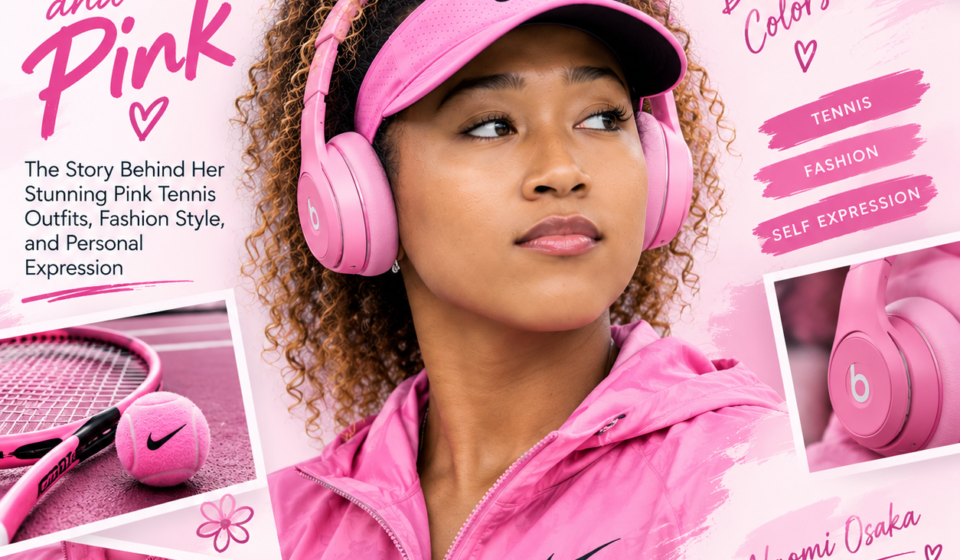
Naomi Osaka and Pink: The Story Behind Her Stunning Pink Tennis Outfits, Fashion Style, and Personal Expression

The connection between Naomi Osaka and pink is interesting because it brings together sports, fashion, individuality, and self-expression. Pink can communicate confidence, creativity, softness, and strength at the same time. For an athlete competing under the pressure of international tournaments, choosing a distinctive outfit can become another way to communicate with the world. Naomi Osaka has consistently demonstrated that she is comfortable combining athletic performance with personal creativity.
Whether she is appearing in a colorful tennis outfit, attending a fashion event, participating in a major tournament, or sharing a personal moment with her supporters, Naomi Osaka has developed a recognizable style. Her fashion choices often reflect her personality, cultural influences, and interest in creative design. Pink is particularly interesting because it can transform a traditional sports outfit into something memorable without taking away from its athletic purpose.
This article explores Naomi Osaka and pink, including the appeal of her pink tennis outfits, her fashion identity, the relationship between sportswear and personal expression, and why her colorful appearance continues to attract attention. It also examines how her approach to fashion has influenced conversations about women in professional sports and the freedom athletes should have to express themselves.
Who Is Naomi Osaka?
Naomi Osaka is an internationally recognized tennis player known for her powerful groundstrokes, competitive determination, and achievements in women’s tennis. Born in Japan and raised partly in the United States, she developed a multicultural background that has influenced her identity both on and off the court. Her journey from a promising young athlete to a major international sports figure has attracted attention from tennis supporters, fashion followers, and mainstream media audiences.
Osaka became particularly famous for her performances at major tennis tournaments. Her ability to combine aggressive baseline play with impressive mental strength helped her establish herself among the leading players of her generation. She has competed against some of the strongest athletes in women’s tennis and demonstrated that determination, preparation, and confidence can produce extraordinary results.
However, her public identity is not limited to tennis. Osaka has also become known for her interest in fashion, creative projects, social issues, and personal expression. She has appeared in advertising campaigns, collaborated with major fashion and sportswear brands, and experimented with different looks that reflect her personality. This combination of athletic achievement and creative expression helps explain why discussions about Naomi Osaka and pink attract interest beyond traditional tennis audiences.
Her fashion choices also demonstrate that professional athletes can have identities outside their sporting careers. Osaka is not simply someone who wears a uniform and competes in matches. She is a public figure with individual tastes, interests, and creative ambitions. Her willingness to explore different styles has helped make her recognizable in both sports and entertainment culture.
Why Naomi Osaka and Pink Attract So Much Attention
The connection between Naomi Osaka and pink attracts attention because the color has a strong visual identity. Pink can look elegant, energetic, youthful, fashionable, and modern depending on its shade and design. When used in sportswear, it can create a striking contrast with the traditional appearance of tennis clothing. For an athlete with an established public profile, a colorful outfit can become part of a memorable appearance.
Osaka has demonstrated an interest in clothing that makes a statement. Her fashion choices have included playful designs, modern silhouettes, bold colors, and distinctive accessories. Pink fits naturally into this wider creative approach because it offers plenty of possibilities for experimentation. A pale pink outfit can create a delicate and sophisticated appearance, while a brighter shade can communicate energy and confidence.
Another reason people search for Naomi Osaka and pink is the relationship between fashion and celebrity culture. Major athletes are often photographed during tournaments, press appearances, promotional campaigns, and public events. Their outfits receive attention from photographers, fashion publications, sports fans, and social media users. A distinctive color can make an appearance particularly recognizable.
Pink also carries different meanings for different people. Some associate it with femininity, while others see it as a symbol of confidence, creativity, or individuality. Osaka’s use of colorful fashion helps demonstrate that athletes do not need to follow a single traditional appearance. They can choose clothing that reflects their own personalities while respecting the practical requirements of professional competition.
The Meaning of Pink in Naomi Osaka’s Fashion
Pink is a versatile color that can communicate several different ideas depending on how it is used. In fashion, it can represent confidence, elegance, creativity, playfulness, and individuality. In sportswear, pink can also create a powerful visual identity because it stands out against the more traditional colors commonly associated with athletic uniforms.
For Naomi Osaka, pink is particularly interesting because it works alongside her preference for expressive and imaginative designs. Rather than treating a tennis outfit as something purely functional, her fashion approach makes clothing part of the overall experience of competing. A pink tennis dress, a matching jacket, or colorful accessories can help create a distinctive appearance that supporters remember long after a match finishes.
Pink also has a connection with Japanese culture through cherry blossoms, commonly known as sakura. These flowers are associated with spring, beauty, renewal, and the temporary nature of life. Their soft pink and pale white appearance has inspired artists, designers, photographers, and fashion creators for generations. This cultural connection makes pink an especially meaningful color in discussions about Osaka’s Japanese heritage and fashion identity.
The relationship between Naomi Osaka and pink is therefore more interesting than simply choosing an attractive color. It demonstrates how clothing can connect personal identity, cultural inspiration, and creative storytelling. Her fashion choices show that a sports outfit can communicate something about the person wearing it while remaining connected to the practical demands of professional tennis.
Naomi Osaka’s Famous Pink Cherry Blossom Tennis Outfit
One of the clearest examples of the connection between Naomi Osaka and pink came during the French Open in Paris. In May, Osaka appeared in a striking cherry blossom-inspired tennis outfit that attracted attention from tennis fans and fashion publications. The look connected her Japanese background with the beauty of spring and the visual atmosphere of the tournament.
The outfit featured a pastel pink tennis dress with a layered skirt and a contrasting cherry-red neckline. She also wore a matching red cropped jacket during her warm-up appearance. The overall combination created a colorful design that looked both athletic and fashionable. Her light pink Nike shoes completed the appearance and strengthened the cherry blossom theme. Women’s Tennis Association+1
The outfit was particularly interesting because it was not simply pink clothing selected to attract attention. Its design had a recognizable cultural inspiration. Sakura flowers are an important part of Japanese visual culture, and Osaka’s decision to incorporate this theme into her tennis appearance created a connection between her sporting identity and her heritage.
The pink cherry blossom look also demonstrated how a tennis outfit can become a visual story. Every element, from the dress to the shoes, contributed to a consistent concept. Instead of relying on a single colorful detail, the entire appearance worked together to create a recognizable style.
The Inspiration Behind Naomi Osaka’s Sakura Style
Sakura is the Japanese word for cherry blossom, and these flowers have an important place in Japanese traditions, art, and everyday culture. Every spring, cherry blossom trees attract visitors who want to experience their beautiful flowers. The season is often associated with fresh beginnings, reflection, natural beauty, and appreciation for the present moment.
This inspiration made the pink theme particularly appropriate for Osaka’s French Open appearance. She was able to incorporate an element of Japanese culture into an international sporting event without making the outfit feel disconnected from modern fashion. The cherry blossom concept also gave the clothing a softer visual character compared with some of her more dramatic and unconventional tennis looks.
Osaka revealed her sakura-inspired footwear before the tournament, giving fans an early look at the creative direction. The shoes incorporated several shades of pink, including pale and brighter tones, to create a floral appearance. The design also connected Japanese spring imagery with the atmosphere of Paris and the tournament’s fashion environment. Women’s Tennis Association
The cherry blossom inspiration illustrates an important part of Naomi Osaka’s fashion identity. Her clothing can communicate something personal without requiring a lengthy explanation. A color, flower, pattern, or accessory can represent a cultural connection and help supporters understand the story behind a particular appearance.
How Naomi Osaka Combines Pink With Athletic Performance
A professional tennis outfit must do more than look attractive. Players need clothing that allows them to run, stretch, turn, jump, and move freely throughout demanding matches. The design must also account for comfort, ventilation, flexibility, and the physical conditions associated with outdoor competition.
Naomi Osaka’s approach to pink sportswear reflects the importance of combining appearance with performance. A colorful dress can attract attention, but its construction must still support the movement required during a match. Tennis fashion becomes successful when the visual design and athletic function work together rather than competing with one another.
Modern sportswear materials make it possible for designers to create clothing that looks elegant while remaining suitable for high-intensity exercise. Lightweight fabrics, breathable construction, flexible materials, and carefully designed silhouettes help athletes perform comfortably. Pink can be incorporated into these designs without changing the basic purpose of the clothing.
Osaka’s pink tennis appearance also demonstrates that athletic clothing does not need to look plain to be practical. Designers can experiment with layered skirts, contrasting necklines, decorative details, and coordinated footwear while keeping the essential requirements of professional tennis in mind.
For fans, this combination creates an additional reason to appreciate her outfits. They can enjoy the visual creativity while recognizing that the clothing is being worn by an athlete competing at an extremely high level.
Naomi Osaka’s Personal Fashion Identity
Naomi Osaka has developed a fashion identity that is recognizable because it does not depend on a single style. Her clothing can be feminine, sporty, dramatic, experimental, playful, or minimalist depending on the occasion. This ability to move between different looks has helped her establish a presence in the fashion world.
In an interview with Vogue, Osaka described her personal style as moving between badass and feminine. She also explained her attraction to unique and unusual pieces. Her comments provide useful context for understanding why colorful outfits, including pink designs, fit naturally into her broader fashion preferences. British Vogue+1
Her style is not limited to traditional sportswear. Outside tennis, she has worn fashion-forward outfits and participated in collaborations with well-known designers and brands. These appearances demonstrate that she enjoys experimenting with clothing and is interested in the creative process behind fashion.
Pink is a natural part of this wider identity because it can be adapted to different moods. A soft shade can create an elegant appearance, while a bright shade can make an outfit feel energetic and expressive. A pink accessory can introduce a subtle detail, while a complete pink outfit can become the central feature of an appearance.
What makes Osaka’s fashion interesting is her willingness to treat clothing as an extension of her personality. She does not have to choose between looking athletic and looking fashionable. Her approach shows that these two identities can exist together.
Why Pink Looks So Beautiful in Tennis Fashion
Tennis has a long tradition of recognizable clothing styles. White outfits are particularly associated with the sport, while other colors have become increasingly common across professional tournaments. Designers now use different combinations of colors, textures, patterns, and shapes to create outfits that reflect individual athletes.
Pink has become an appealing option because it offers a wide range of visual possibilities. Pale pink can create a clean and gentle appearance, while hot pink can make sportswear look energetic and bold. Rose pink can appear sophisticated, and dusty pink can create a more understated aesthetic.
Naomi Osaka and pink are an interesting combination because her personality and fashion choices allow the color to feel expressive rather than ordinary. A pink outfit can look especially attractive when combined with white shoes, red details, dark accessories, or carefully coordinated sportswear.
The color also photographs well in many tournament environments. Against green tennis courts, blue backgrounds, and neutral stadium surfaces, pink clothing can create a noticeable contrast. This makes it particularly attractive for promotional photographs, fashion coverage, and social media posts.
However, the beauty of a pink tennis outfit depends on more than its color. The cut, fabric, proportions, and finishing details all influence the final appearance. Osaka’s most memorable fashion moments show how a complete design concept can make a simple color feel much more distinctive.
The Role of Nike in Naomi Osaka’s Pink Fashion
Nike has played an important role in Osaka’s sportswear identity. The company has worked with her on performance clothing, footwear, and creative projects that combine athletic requirements with contemporary fashion. These collaborations have provided opportunities to experiment with different designs while maintaining the technical qualities expected from professional tennis equipment.
Her sakura-inspired footwear became a particularly memorable example of how sportswear can communicate a theme. The pink color palette was connected to cherry blossoms, while the design included several complementary shades to create a floral effect. The shoes were more than ordinary tennis footwear because their appearance was connected to a larger creative concept. Women’s Tennis Association
Osaka has also worked with designers who understand the relationship between Japanese fashion influences and modern athletic clothing. Her collaboration with Japanese designer Yoon Ahn, for example, explored cultural identity, personal style, and the possibilities of sportswear. In their conversation published by Nike, Osaka discussed her interest in fashion and her belief that tennis clothing does not have to remain limited to traditional designs. NIKE, Inc.
These partnerships help explain why her outfits often receive attention beyond the tennis community. A successful collaboration can introduce new ideas, combine different creative backgrounds, and produce clothing that appeals to both athletes and fashion enthusiasts.
Pink is one of the colors that can benefit from this creative approach. When designers understand the story behind the color, they can use it in a way that feels intentional rather than decorative.
Naomi Osaka and Pink as a Symbol of Confidence
Confidence is an important part of professional tennis. Players must believe in their abilities while handling difficult opponents, demanding conditions, public attention, and the pressure of competition. Clothing cannot replace skill or preparation, but feeling comfortable in an outfit can contribute to a player’s sense of identity and confidence.
Osaka has spoken about fashion as a form of self-expression. Her approach suggests that an outfit can help communicate the personality she wants to present when entering a stadium. The relationship between clothing and confidence is especially interesting because professional athletes are often expected to follow established visual traditions.
Pink can communicate confidence in several ways. It can be soft without appearing weak, bright without looking careless, and feminine without suggesting that an athlete is less competitive. Its flexibility makes it a useful color for people who want their appearance to reflect different aspects of their personalities.
Osaka’s pink fashion moments demonstrate that a woman can combine athletic strength with an expressive and feminine appearance. There is no contradiction between wearing a beautiful pink dress and competing with determination against some of the world’s strongest tennis players.
For younger supporters, this message can be encouraging. It shows that individuality is not something that needs to disappear when a person enters a competitive environment. People can remain creative, fashionable, and authentic while working toward demanding professional goals.
The Connection Between Japanese Culture and Pink Fashion
Japanese culture has influenced many international fashion trends, from streetwear and minimalist design to anime-inspired clothing and traditional textiles. Osaka’s personal background gives her a natural connection to several of these influences.
Cherry blossoms are among the most recognizable symbols of Japan. Their appearance in artwork, photography, clothing, and public celebrations reflects their importance in Japanese culture. Their seasonal beauty also carries a sense of change and renewal that designers can interpret in different ways.
The sakura-inspired pink theme in Osaka’s tennis appearance was an example of how cultural imagery can be brought into modern sportswear. Rather than using traditional clothing directly, designers can reinterpret familiar symbols through contemporary materials and athletic silhouettes.
This approach allows fashion to become a bridge between cultures. Tennis audiences around the world can appreciate the appearance even if they are unfamiliar with the deeper cultural meaning behind cherry blossoms. At the same time, people who understand the symbolism may notice additional details that make the outfit more meaningful.
Osaka’s connection with Japanese culture is not limited to pink clothing. Her fashion choices have also incorporated other Japanese-inspired elements, including bows, dramatic silhouettes, and references to popular visual culture. Her clothing often creates a conversation between tradition and modern design.
Naomi Osaka’s Pink Tennis Dress and Its Design Details
A tennis dress is one of the most recognizable forms of women’s tennis clothing. Its design must balance movement, comfort, and appearance. Designers frequently use pleated skirts, fitted bodices, lightweight fabrics, and decorative details to create outfits that are suitable for professional competition.
Osaka’s pink cherry blossom-inspired dress demonstrated how these familiar elements can be given a distinctive appearance. The pastel color created a soft foundation, while the layered skirt added movement and visual interest. The contrasting neckline introduced a stronger color that helped the outfit stand out.
The overall appearance was carefully coordinated rather than built around a single feature. The dress, warm-up jacket, shoes, and other details contributed to the same floral theme. This consistency helped make the look recognizable in photographs and during her tournament entrance.
Another interesting detail was the relationship between the soft pink and the stronger red accents. Instead of making the outfit appear overly delicate, the contrast added energy and definition. The combination also helped connect the design with the visual richness of cherry blossoms.
The result was a tennis outfit that felt modern, expressive, and culturally inspired. It demonstrated how designers can use familiar sportswear shapes while creating something that looks different from a traditional tennis uniform.
How Naomi Osaka Makes Pink Look Modern and Stylish
One reason Naomi Osaka and pink continue to attract attention is the way modern fashion has changed the traditional meaning of the color. Pink was once strongly associated with a limited range of clothing styles, but contemporary designers use it across sportswear, streetwear, luxury fashion, casual clothing, and performance apparel. It can look elegant, rebellious, youthful, or sophisticated depending on its design.
Osaka’s fashion identity fits this modern understanding of pink. Her outfits are not necessarily designed to look traditionally feminine. Instead, they can combine strong shapes, unusual details, athletic materials, and playful decorations. This creates a more individual appearance that does not depend on conventional fashion rules.
A pink tennis dress with a structured silhouette can look completely different from a loose pink jacket or a pair of pink athletic shoes. Each item communicates a slightly different mood, and Osaka’s interest in experimenting with clothing makes these possibilities particularly interesting.
Her fashion choices also demonstrate that modern sportswear can borrow ideas from other industries. Elements of streetwear, Japanese fashion, luxury design, and popular culture can all influence the appearance of an athletic outfit. Pink provides a flexible foundation for bringing these different influences together.
Pink and the Evolution of Women’s Tennis Fashion
Women’s tennis fashion has changed significantly over the years. Earlier generations of players were often associated with relatively conservative clothing, simple silhouettes, and traditional color choices. While athletic performance has always been important, fashion gradually became a more visible part of the sport.
Modern players have greater opportunities to work with designers, sportswear companies, and creative teams. These partnerships have introduced new fabrics, distinctive patterns, coordinated accessories, and innovative silhouettes. As a result, tennis clothing has become an important part of the sport’s wider visual culture.
Naomi Osaka represents this development particularly well. Her fashion appearances show how professional tennis can provide a platform for creative expression. Rather than treating clothing as an unimportant detail, she has helped make outfits part of the excitement surrounding major tournaments.
Pink has benefited from this change because it offers designers plenty of room to experiment. It can be used in traditional tennis dresses, modern skirts, warm-up jackets, shoes, and accessories. It can also be combined with contrasting colors to create distinctive looks.
Osaka’s influence is important because she demonstrates that an athlete’s clothing choices can be meaningful without distracting from the competition. Fans can appreciate the fashion while still recognizing the skill, preparation, and dedication required to compete at the highest level.
The Influence of Pink on Naomi Osaka’s Public Image
Public image is an important part of modern professional sports. Athletes are recognized through their performances, interviews, public appearances, sponsorships, and personal style. The way someone dresses can contribute to how audiences remember them.
Osaka has developed an image that combines athletic achievement with creativity and individuality. Her distinctive outfits help communicate that she has interests beyond tennis. Fashion provides another way for her to connect with audiences who may not follow every tournament but enjoy creative design and celebrity culture.
Pink contributes to this image because it is a visually recognizable color. When an athlete appears in a distinctive pink outfit, photographs and social media posts can become especially memorable. The color can also create a recognizable theme across clothing, shoes, and accessories.
However, it would be inaccurate to suggest that pink defines Osaka’s entire public image. Her fashion identity is much broader. She has worn dramatic black designs, colorful sportswear, elegant outfits, and clothing inspired by different cultural references. Pink is one part of a larger creative personality.
The most interesting aspect of Naomi Osaka and pink is therefore not the idea that she always wears the color. It is the way pink can become part of a carefully developed appearance when a particular design concept calls for it.
Naomi Osaka’s Fashion Collaborations and Creative Freedom
Collaborations have helped Osaka explore fashion in ways that extend beyond ordinary athletic clothing. Working with designers allows athletes to participate in creative decisions and introduce ideas that might not appear in standard sportswear collections.
Her Nike and Sacai collaboration attracted attention because it brought together athletic functionality and Japanese fashion design. The collection demonstrated how sportswear could be reimagined through unusual shapes, layered construction, and a more experimental approach to clothing. British Vogue+1
Osaka’s work with designer Yoon Ahn also reflects her interest in combining personal identity with contemporary fashion. Their creative discussions explored Japanese influences and the possibilities of changing how tennis clothing looks. Osaka has expressed the view that tennis outfits can be beautiful and imaginative while still serving the needs of an athlete. NIKE, Inc.
These collaborations are relevant to the pink theme because they demonstrate the importance of creative freedom. A designer can take a familiar color and develop an entirely different visual identity around it. Through thoughtful material selection, shape, accessories, and cultural references, pink can become part of a distinctive design rather than simply a decorative choice.
Creative partnerships also allow athletes to communicate ideas that matter to them. Instead of wearing something selected entirely by another person, they can contribute personal references and help shape the final appearance. This makes fashion more meaningful and gives supporters a better understanding of the individual behind the sports uniform.
Why Tennis Fans Remember Naomi Osaka’s Pink Look
Sports fans remember major moments for different reasons. Some remember a spectacular rally, others remember an unexpected victory, and many recall the atmosphere surrounding a major tournament. Visual details can also become part of the memories associated with a particular event.
Osaka’s pink cherry blossom outfit attracted attention because it combined a beautiful color scheme with a recognizable cultural theme. The design was easy to remember, especially because the dress, jacket, and footwear worked together as part of the same concept.
Fashion coverage also helped the outfit reach people beyond the usual tennis audience. Photographs of the look circulated through sports publications, fashion websites, and social media discussions. People interested in clothing could appreciate the design even if they were not closely following the tournament.
Another reason the outfit remained memorable was its connection to the larger idea of personal expression. Fans could recognize that the design represented something more than a simple uniform. It reflected Osaka’s interest in fashion and her willingness to experiment with the way she appears on court.
Memorable outfits can also encourage discussion about the relationship between appearance and performance. Some people focus on the creative design, while others consider whether unusual clothing should have a place in professional sport. These conversations show that tennis fashion can be an interesting part of the sporting experience.
The Difference Between Pastel Pink and Bright Pink in Sportswear
Not every pink outfit creates the same impression. The shade used by a designer can completely change the appearance of a garment. Understanding these differences helps explain why pink is such a flexible option for tennis clothing.
Pastel pink is usually associated with softness, freshness, and elegance. It works particularly well with white, cream, light grey, and other delicate shades. In a tennis dress, pastel pink can create a clean appearance without becoming visually overwhelming. It is also a suitable choice for floral designs and spring-inspired collections.
Bright pink has a different personality. It is more energetic, noticeable, and expressive. When used in sportswear, it can communicate confidence and movement. Bright pink also works well with black, white, red, and other contrasting colors.
Rose pink occupies a middle ground between softer and stronger shades. It can create a sophisticated appearance without losing the warmth associated with pink. Designers often use it when they want a look that feels fashionable but not excessively dramatic.
Osaka’s sakura-inspired appearance demonstrated the beauty of softer pink shades. The pastel color connected naturally with the cherry blossom theme, while stronger red accents prevented the overall design from becoming too delicate.
Naomi Osaka and Pink in Social Media Culture
Social media has changed the way sports fashion reaches audiences. In the past, fans mainly saw athletes’ outfits through television broadcasts, newspapers, and sports magazines. Today, photographs and short videos can introduce an outfit to millions of people almost immediately.
Osaka has a significant public presence beyond tennis coverage, and her fashion choices often attract attention from different online communities. Tennis fans discuss her match appearances, fashion followers examine the clothing, and casual audiences enjoy the creative photographs.
Pink is particularly suitable for social media because it is visually recognizable. A colorful outfit can stand out in a crowded feed, while a coordinated appearance can produce photographs that are easy to remember. This helps explain why pink fashion moments often generate interest among people who enjoy celebrity style.
Social media also allows supporters to discuss individual details. They can comment on the dress design, footwear, hairstyle, accessories, and overall color combination. These conversations turn a sports outfit into a wider fashion discussion.
However, online attention should not be confused with the full meaning of an athlete’s fashion identity. A photograph captures a moment, while the design process behind an outfit may involve much more thought. In Osaka’s case, her fashion choices often reflect personal interests, creative collaborations, and cultural references that cannot always be understood from a single image.
How Pink Connects Femininity With Strength
Fashion has often placed unnecessary restrictions on how women are expected to look. In professional sports, women may face expectations about clothing, appearance, behavior, and public presentation. These expectations can create the impression that femininity and athletic strength must be separate.
Naomi Osaka’s fashion approach challenges that narrow idea. Her outfits demonstrate that a female athlete can enjoy colorful and expressive clothing while remaining a serious competitor. Wearing pink does not reduce the strength, determination, or technical ability required to perform in professional tennis.
Pink is sometimes described as a soft color, but softness and strength are not opposites. A person can be gentle in one situation and determined in another. Clothing can reflect these different qualities without creating a contradiction.
This is one reason Osaka’s fashion identity is interesting to younger athletes. They can see an accomplished tennis player expressing herself through designs that may be playful, dramatic, or feminine. It sends the message that personal style does not have to be sacrificed to meet other people’s expectations.
Her approach also encourages a broader conversation about freedom in sportswear. Athletes should have opportunities to choose clothing that makes them feel comfortable and confident, provided it meets the relevant competition requirements.
The Importance of Accessories in Naomi Osaka’s Pink Outfits
Accessories can make a major difference to the appearance of an outfit. In tennis, they also serve practical purposes. Headbands, wristbands, shoes, socks, and other athletic details can contribute to a coordinated look while supporting comfort and performance.
For a pink tennis outfit, accessories can either strengthen the color theme or introduce contrast. White shoes can create a fresh and balanced appearance, while red details can connect the design to a floral concept. Dark accessories can make a softer outfit feel more dramatic.
Osaka’s fashion appearances show that the complete look matters. A tennis dress does not exist independently of its shoes, warm-up clothing, and other styling choices. When these elements share a creative direction, the result can look much more polished.
Hair accessories and decorative details can also introduce personality. Flowers, bows, and other playful elements can help establish a particular theme. Osaka’s interest in expressive fashion makes these details especially relevant when discussing her broader style.
The most effective accessories are those that add something to the outfit without making it feel unnecessarily complicated. Good styling creates balance, allowing individual details to contribute to a unified appearance.
Naomi Osaka’s Pink Style Compared With Traditional Tennis Fashion
Traditional tennis clothing has often emphasized simplicity. Clean lines, lightweight fabrics, and understated colors have been common features of classic designs. This approach creates a timeless appearance and keeps attention focused on the sport.
Modern tennis fashion has introduced a much wider range of creative possibilities. Athletes now appear in outfits featuring unusual textures, decorative details, bold color combinations, and designs influenced by fashion outside professional sport.
Osaka’s pink outfits fit into this modern development. Her cherry blossom-inspired look used a familiar tennis dress silhouette but introduced a stronger visual theme through its colors and styling. The result remained recognizable as sportswear while offering something different from a traditional uniform.
The contrast between traditional and modern fashion is not necessarily a competition. Classic tennis clothing has its own appeal, while contemporary designs allow players to express themselves in new ways. Both approaches can exist within the same sport.
Pink is useful in this context because it can work with traditional silhouettes or experimental designs. It can look simple and elegant in a basic dress or become part of an elaborate outfit with layers, flowers, and contrasting accessories.
What Makes Naomi Osaka’s Fashion Different From Other Tennis Players?
Every professional tennis player has an individual approach to appearance. Some prefer understated outfits, while others enjoy colorful designs and coordinated accessories. Personal preference, sponsorship arrangements, cultural influences, and the practical needs of competition all play a role.
Osaka stands out because fashion appears to be a genuine creative interest rather than something limited to promotional appearances. She has spoken about enjoying clothing from a young age and has participated in collaborations that explore the relationship between fashion and sport.
Her outfits also tend to have a clear concept. Instead of simply selecting a fashionable color, her team may develop an appearance around a story, cultural reference, or visual inspiration. This approach helps create looks that feel connected to a larger idea.
Pink becomes particularly effective when used within this storytelling process. A cherry blossom theme can communicate a connection to Japanese culture, while a more experimental pink design could express a different mood.
It is important to recognize that other tennis players also contribute to the sport’s fashion culture. Osaka’s distinctive approach is one part of a much larger movement in which athletes are becoming increasingly involved in how their sporting identities are presented.
The Relationship Between Pink and Japanese Cherry Blossom Fashion
Cherry blossom fashion has become a recognizable source of inspiration for designers around the world. The flowers are beautiful, but their importance goes beyond their appearance. In Japanese culture, sakura can represent renewal, the arrival of spring, appreciation of nature, and the temporary beauty of life.
These ideas make cherry blossoms especially suitable for fashion collections. Designers can use floral patterns, soft pink fabrics, delicate decorations, and flowing silhouettes to communicate the atmosphere of spring. The result can feel romantic and elegant while remaining contemporary.
Naomi Osaka’s cherry blossom-inspired tennis clothing brought these ideas into professional sport. Her pink outfit was a modern interpretation of a familiar cultural symbol. Rather than wearing a traditional garment, she appeared in performance clothing that incorporated the colors and visual inspiration of sakura.
This combination also demonstrates how fashion can communicate cultural identity to an international audience. People watching the French Open could appreciate the beauty of the outfit, while those familiar with Japanese culture could recognize the additional meaning behind its inspiration.
How Naomi Osaka’s Pink Outfit Inspired Fashion Conversations
Fashion conversations often begin when someone wears something unexpected. An unusual silhouette, interesting color combination, or distinctive accessory can attract attention and encourage people to discuss the choices behind an outfit.
Osaka’s pink appearance provided exactly this kind of opportunity. Her cherry blossom theme created a recognizable visual identity that was easy to discuss. Fashion enthusiasts could examine the pastel color, layered skirt, contrasting neckline, and matching shoes, while tennis supporters could appreciate the creative presentation.
The outfit also raised interesting questions about how athletes should approach clothing. Should professional tennis uniforms remain traditional, or should players have more freedom to experiment? How can designers create visually impressive outfits without compromising athletic performance?
These questions are relevant because tennis is both a competitive sport and a global entertainment event. Spectators watch the matches for athletic skill, but the atmosphere surrounding major tournaments also includes fashion, culture, sponsorships, and celebrity appearances.
Osaka’s fashion choices contribute to this wider experience. Her pink outfits demonstrate that an athlete can participate in fashion conversations without losing the competitive identity that made her famous.
Pink Fashion and Naomi Osaka’s Influence on Younger Athletes
Young athletes often look toward successful professionals for inspiration. They admire their achievements, study their playing techniques, and sometimes follow their fashion choices. When an established player demonstrates confidence in personal expression, it can encourage younger people to develop their own identities.
Osaka’s fashion approach offers an interesting example. She has shown that professional clothing does not have to follow a single appearance or personality type. Athletes can experiment with colors, designs, and accessories while respecting the requirements of their sport.
The pink theme is especially approachable because it is easy to adapt. A young tennis player does not need an elaborate custom dress to incorporate the color into an outfit. Pink shoes, a wristband, a skirt, or a simple athletic shirt can introduce a similar sense of creativity.
What matters most is the freedom to make individual choices. Some players may prefer bright colors, while others feel more comfortable in neutral clothing. Osaka’s influence is not about convincing everyone to wear pink. It is about showing that athletes can express their personalities in different ways.
Her example can also encourage young women to challenge stereotypes. A player can enjoy fashion, beauty, and creative design while remaining ambitious and competitive. These interests can exist together without one making the other less important.
Naomi Osaka’s Pink Look and the Power of Visual Storytelling
Visual storytelling is the process of communicating an idea through images, colors, shapes, and other visual details. Fashion is particularly effective at this because clothing can communicate personality and cultural references without relying entirely on words.
Osaka’s sakura-inspired outfit provides a good example of visual storytelling. The pink color immediately suggests a soft and floral theme. The layered design adds movement, while the contrasting red details introduce energy. The footwear reinforces the same concept, making the complete appearance feel connected.
This type of styling creates a more memorable experience than wearing unrelated pieces. When every element supports the same idea, the outfit becomes a recognizable statement.
Visual storytelling is also important in modern sports marketing. Brands want to create campaigns that people remember, and distinctive clothing can become part of that identity. An athlete wearing a carefully designed outfit can help communicate the creative direction of a collection while also connecting with supporters.
Osaka’s interest in fashion makes her a natural participant in this process. Her clothing choices can represent a mixture of athletic performance, cultural inspiration, and personal taste. Pink is simply one of the colors that can help communicate those ideas.
The Role of Confidence When Wearing a Pink Tennis Outfit
Confidence is not created by clothing alone, but what someone wears can influence how comfortable they feel in a public setting. An athlete who enjoys an outfit may feel more connected to their appearance and more willing to express their personality.
For Osaka, fashion has become part of the experience of preparing for major tournaments. Her creative outfits provide another opportunity to participate in the excitement surrounding professional tennis. The clothing can help establish a particular mood before the athletic performance begins.
Pink can support different expressions of confidence. A pale pink dress may communicate elegance and calmness, while a brighter outfit can feel bold and energetic. The choice depends on the athlete’s preferences and the story behind the design.
There is also something interesting about choosing a color that people may associate with traditional femininity in an environment where physical strength and competitiveness are central. It challenges the idea that an athlete must dress in a particular way to appear serious.
Osaka’s approach suggests that confidence comes from feeling comfortable with personal choices rather than following every expectation. That is a valuable message for people in sports, fashion, and everyday life.
Naomi Osaka’s Pink Fashion and the Influence of Modern Celebrity Culture
Modern celebrity culture often connects different industries. Athletes can become fashion personalities, entertainers can become business owners, and designers can collaborate with people from the world of sport. These connections allow creative ideas to reach wider audiences.
Naomi Osaka is an example of an athlete whose public identity extends into several areas. Her tennis achievements have made her internationally recognizable, while her fashion interests have introduced her to audiences who follow design and popular culture.
A pink tennis outfit can become a conversation topic because it brings these different audiences together. Tennis fans may be interested in the tournament appearance, while fashion followers may want to know about the designer, clothing collection, and inspiration.
This crossover also helps explain why photographs of Osaka’s outfits can receive attention even when the clothing is not directly related to the result of a match. The appearance has its own visual appeal and can be appreciated independently of the sporting competition.
However, fashion should not overshadow her athletic achievements. Her identity as a professional tennis player remains central. The interesting part is that she has created room for other interests alongside her career.
Can Naomi Osaka’s Pink Tennis Style Be Recreated?
People who admire Osaka’s pink fashion may want to create a similar look using everyday sportswear. Fortunately, the general ideas behind her appearance can be adapted without needing expensive designer clothing or a custom outfit.
The first step is choosing a shade of pink. Pastel pink is suitable for people who prefer a softer appearance, while brighter pink creates a more noticeable athletic look. Rose pink can be an attractive middle option for someone who wants something elegant but not overly colorful.
The next step is selecting a comfortable tennis dress, skirt, or athletic top. Clothing should allow free movement and be made from materials suitable for physical activity. A beautiful outfit is not particularly useful if it restricts movement or becomes uncomfortable during exercise.
Accessories can help bring the appearance together. White trainers, pink socks, a matching headband, or a simple jacket can create a coordinated look. People interested in the sakura theme can introduce small floral details without making the outfit overly complicated.
The most important lesson from Naomi Osaka’s pink fashion is to choose clothing that feels authentic. Copying a particular appearance is not necessary. The goal is to take inspiration from the color, balance, and creativity of the design and adapt those elements to personal taste.
Pink Tennis Fashion for Different Occasions
Pink is not limited to professional tournaments. Its versatility makes it suitable for several different occasions, including tennis practice, casual exercise, social activities, and everyday clothing.
For a practice session, a simple pink sports shirt and comfortable athletic shorts can create a clean and energetic appearance. Players who prefer a more traditional look can combine pink with white or navy. This produces a balanced outfit that feels sporty without becoming excessively colorful.
For a more fashionable tennis appearance, a pleated pink skirt can be paired with a fitted athletic top. A lightweight jacket can complete the look during cooler weather. The outfit can include small decorative details inspired by Osaka’s preference for expressive clothing.
Pink can also work outside the court. A casual pink hoodie, comfortable trainers, or a simple jacket can bring a little athletic inspiration into everyday fashion. People do not need to play professional tennis to enjoy the style associated with their favorite athletes.
The versatility of the color is one reason it remains popular. It can be used in both subtle and dramatic ways, depending on the occasion and the person’s preferences.
The Difference Between a Fashion Statement and a Sporting Performance
When discussing Naomi Osaka and pink, it is important to understand that fashion and sporting performance are separate but connected subjects. An outfit can attract attention, communicate a creative idea, and contribute to an athlete’s public image. However, the ability to win tennis matches depends on preparation, physical conditioning, technique, strategy, and mental strength.
Osaka’s career demonstrates the importance of athletic ability. Her major tournament achievements were earned through years of training and competitive experience. Her fashion choices add another dimension to her public identity, but they do not explain her sporting success.
This distinction is important because discussions about women’s sports sometimes place excessive attention on appearance. Female athletes deserve recognition for their performances, skills, and achievements rather than being judged primarily by their clothing.
At the same time, athletes should not have to avoid fashion simply because their main profession is sport. There is room for both subjects. Fans can celebrate an impressive tennis performance and appreciate a beautiful outfit without treating either interest as less important.
Osaka’s pink fashion moments are valuable partly because they encourage this balanced perspective. They show that sport and creativity can exist together while allowing athletic achievements to remain at the center of competition.
Naomi Osaka’s Fashion Beyond Pink
Although pink is an important part of this discussion, Osaka’s fashion identity includes many other colors and creative directions. She has appeared in dramatic black clothing, colorful tournament outfits, layered designs, and clothing inspired by different cultural references.
Her fashion history demonstrates that she does not rely on a single signature color. Instead, she explores different concepts depending on the occasion and the message she wants an outfit to communicate.
Her black outfit at the US Open was an example of a very different approach. The custom design incorporated ruffles, bows, and a dramatic visual style influenced by Japanese subculture and other creative references. The outfit showed that Osaka was comfortable experimenting with feminine details and unconventional sportswear. A USTA Event+1
Her tournament appearances have also included elaborate entrance clothing. These designs can create an additional moment before the actual athletic competition begins. They help establish a theme and allow her to present an outfit as part of a larger creative experience.
The variety of her fashion choices makes the pink theme even more interesting. It is not an isolated trend but part of a broader willingness to explore different colors, silhouettes, and ideas.
Why Naomi Osaka’s Pink Fashion Remains Relevant
Fashion trends change constantly, but certain looks remain memorable because they communicate something meaningful. Osaka’s pink cherry blossom appearance is a good example of a design that combines visual beauty with a cultural reference. It was not simply an outfit that looked attractive in photographs. It represented a creative interpretation of her background and interests.
The growing interest in athlete fashion also makes this subject relevant. Supporters increasingly enjoy learning about the clothing, designers, and inspiration behind major tournament appearances. This interest creates opportunities for athletes to participate in conversations that extend beyond their sporting achievements.
Pink continues to be a popular choice because it can adapt to different fashion directions. It can appear in traditional sportswear, experimental designer collections, casual clothing, and luxury fashion. Its flexibility means it can remain relevant even when individual trends change.
Osaka’s willingness to experiment also makes her fashion journey interesting to follow. Fans can look forward to different creative concepts rather than expecting the same appearance every time she competes.
What Naomi Osaka’s Pink Style Says About Individuality
Individuality means having the freedom to express personal preferences rather than following every expectation. In fashion, this can involve choosing unusual colors, combining different styles, or wearing clothing that reflects personal interests.
Osaka’s approach to fashion demonstrates how individuality can become part of a professional identity. Her outfits often communicate creativity and confidence, while her performances demonstrate the discipline required in elite sport.
Pink is a useful example because it challenges traditional assumptions about how athletic clothing should look. Some people prefer neutral colors because they feel practical and understated. Others enjoy bright shades because they communicate energy and personality. Neither preference is better than the other.
The important point is that athletes should have room to make these choices. A professional environment does not need to remove personal expression. In fact, allowing individuality can make sports more interesting and help audiences connect with the people competing.
For Naomi Osaka, pink represents one possible expression of a much wider creative identity. Her fashion choices remind people that a successful athlete can have many interests and different ways of presenting themselves.
The Future of Naomi Osaka’s Fashion and Pink Tennis Outfits
The future of tennis fashion is likely to include even more experimentation. Sportswear companies continue to explore new materials, silhouettes, and design concepts. Athletes are also becoming more involved in creative decisions, giving designers opportunities to produce clothing that reflects individual personalities.
Osaka is well positioned to remain part of this development because fashion has been a consistent interest throughout her public career. Her collaborations and tournament appearances have demonstrated that she enjoys exploring ideas beyond standard athletic clothing.
Pink may continue to appear in her future designs, although there is no reason to expect every collection to use the color. Her fashion identity is built around variety, and different tournaments may inspire completely different concepts.
Future pink outfits could explore floral patterns, softer fabrics, modern athletic silhouettes, or more experimental combinations. Designers could also revisit Japanese cultural references and reinterpret them through contemporary sportswear.
Whatever direction her fashion takes, the important feature will likely remain the same: clothing that reflects creativity while respecting the needs of professional tennis. This balance is what makes her fashion journey interesting.
Frequently Asked Questions About Naomi Osaka and Pink
Why is Naomi Osaka associated with pink?
Naomi Osaka is associated with pink partly because of her memorable cherry blossom-inspired tennis outfit at the French Open. The pastel pink dress, red accents, and coordinated shoes created a distinctive appearance inspired by Japanese sakura flowers.
Did Naomi Osaka wear a pink outfit at the French Open?
Yes. At the French Open, Osaka appeared in a pink tennis outfit inspired by Japanese cherry blossoms. The ensemble included a pastel pink dress, a contrasting red neckline, a matching warm-up jacket, and pink footwear.
What inspired Naomi Osaka’s pink tennis dress?
The design was inspired by sakura, the Japanese cherry blossom. The flowers are associated with spring and natural beauty in Japanese culture. The outfit translated this inspiration into modern professional tennis clothing.
What color were Naomi Osaka’s cherry blossom tennis shoes?
Her sakura-inspired Nike footwear featured several shades of pink, including pale and brighter tones. The combination created a floral appearance that complemented the overall theme of her tournament outfit.
Does Naomi Osaka like fashion?
Yes. Osaka has spoken publicly about her interest in fashion and her enjoyment of unusual and creative clothing. She has also participated in collaborations with major designers and sportswear brands.
What makes Naomi Osaka’s fashion different?
Her fashion choices frequently combine athletic functionality with personal expression, cultural inspiration, and unusual design details. She is comfortable experimenting with different colors, shapes, and styles rather than following a single traditional appearance.
Why do tennis players wear pink outfits?
Pink is a popular sportswear color because it offers different visual possibilities. It can look elegant, energetic, modern, and distinctive. It also allows athletes to express their individual preferences while wearing practical athletic clothing.
Is Naomi Osaka’s pink outfit inspired by Japanese culture?
Her cherry blossom-inspired appearance has a direct connection with Japanese culture. Sakura flowers are an important symbol in Japan, and their delicate pink appearance provided the inspiration for the tournament design.
What brand makes Naomi Osaka’s tennis clothing?
Nike has been an important sportswear partner in Osaka’s fashion journey. The brand has worked with her on tennis clothing and footwear, including creative designs inspired by her personal style and cultural background.
Can fans recreate Naomi Osaka’s pink tennis style?
Yes. Fans can create a similar appearance using pastel pink tennis dresses, pleated skirts, comfortable sports shoes, and coordinated accessories. Floral details can help recreate the cherry blossom inspiration.
Does pink represent confidence in sports fashion?
Pink can communicate confidence, individuality, and creativity. However, its meaning depends on the person wearing it and the design itself. For many athletes, choosing a distinctive color is simply another way to express their personalities.
Is Naomi Osaka’s fashion limited to pink?
No. Osaka has experimented with many colors and styles, including dramatic black outfits, colorful sportswear, layered designs, and Japanese-inspired fashion. Pink is one part of her broader creative identity.
Final Thoughts on Naomi Osaka and Pink
Naomi Osaka and pink represent an interesting combination of professional tennis, modern fashion, cultural identity, and personal expression. Her cherry blossom-inspired appearance at the French Open demonstrated how a tennis outfit can become more than ordinary sportswear. Through its pastel colors, contrasting details, and coordinated accessories, the design communicated a creative idea connected to her Japanese background.
What makes this fashion moment especially memorable is the way it brings together different aspects of Osaka’s personality. She is a talented professional athlete who also appreciates fashion, design, and creative experimentation. Her clothing choices allow her to express these interests without separating them from her sporting career.
The pink tennis outfit also demonstrates that femininity and athletic strength can exist together. A colorful dress does not make an athlete less competitive, just as a dramatic design does not take away from the skill needed to perform at the highest level. Fashion can be another way of showing confidence and individuality.
Ultimately, the story of Naomi Osaka and pink is about much more than a particular tennis dress. It is about creativity, cultural inspiration, freedom of expression, and the changing relationship between sports and fashion. Her memorable cherry blossom look offers a beautiful example of how an athlete can turn a tournament appearance into a meaningful visual statement.
As Osaka continues exploring new fashion ideas, supporters will have more opportunities to appreciate the creativity behind her appearances. Whether she chooses pink, black, white, or another unexpected color, her willingness to express herself makes her fashion journey worth following.
Stay in touch to get more updates & news on Magazine Dispatch!