

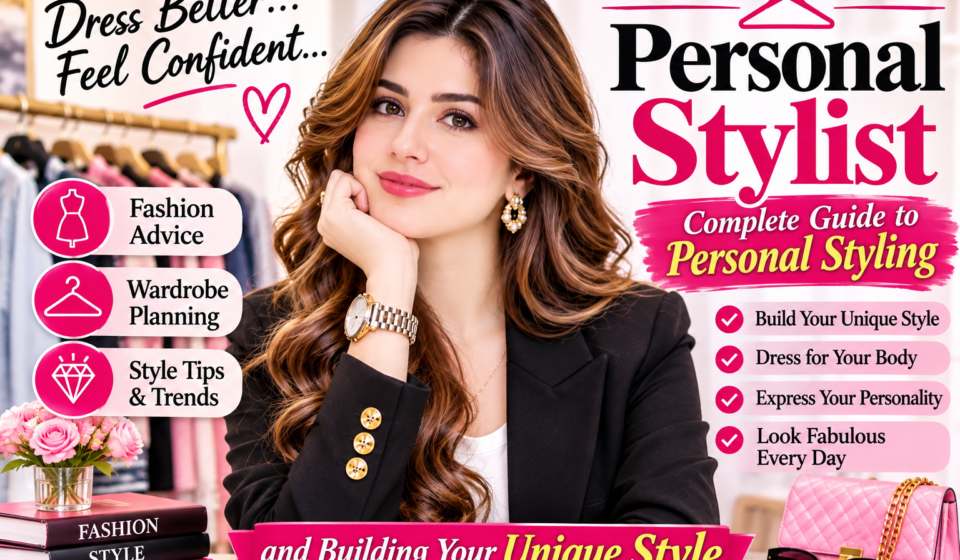
Personal Stylist: Complete Guide to Personal Styling, Fashion Advice, Wardrobe Planning, and Building Your Unique Style

A personal stylist is a professional who helps individuals discover, develop, and improve their personal appearance through clothing, accessories, colors, and fashion choices. In a world where fashion trends change constantly and new clothing styles appear every season, choosing the right outfits can sometimes feel confusing. A personal stylist makes this process easier by understanding an individual’s personality, lifestyle, body proportions, preferences, and fashion goals. Whether someone wants to look more professional at work, create a stylish everyday wardrobe, prepare for a special event, or simply feel more confident in their clothes, a personal stylist can provide valuable guidance.
Personal styling is not only about wearing expensive designer outfits or following the latest fashion trends. It is about discovering clothing that feels comfortable, looks attractive, and communicates something meaningful about the person wearing it. A personal stylist helps clients understand what works for them instead of encouraging them to copy someone else’s appearance. The goal is to create a wardrobe that reflects individuality while making everyday dressing more enjoyable and practical.
Many people believe that personal styling is only for celebrities, wealthy individuals, models, and public figures. However, personal styling has become increasingly accessible to ordinary people who want to improve their appearance and make better clothing decisions. From wardrobe consultations and personal shopping to virtual styling sessions and special occasion outfits, professional styling services can accommodate different lifestyles and budgets.
Understanding how a personal stylist works can help anyone decide whether professional fashion guidance is the right choice. This complete guide explores the meaning of personal styling, the responsibilities of a stylist, wardrobe planning, fashion advice, styling techniques, professional services, and the benefits of developing a personal fashion identity.
What Is a Personal Stylist?
A personal stylist is a fashion professional who helps people choose clothing, accessories, footwear, and overall looks that suit their individual needs. Unlike someone who simply recommends fashionable outfits, a personal stylist considers several personal factors before suggesting clothing. These factors may include lifestyle, personality, comfort, professional requirements, preferred colors, budget, and individual fashion goals.
The main purpose of personal styling is to help clients develop a consistent and attractive appearance. Some clients need assistance with everyday clothing, while others want to improve their professional image or prepare for important occasions. A personal stylist studies these requirements and recommends suitable wardrobe options that make getting dressed easier.
Personal styling is also closely connected to confidence. Clothing can influence how people feel about themselves and how they present themselves in different environments. When someone wears an outfit that feels appropriate and comfortable, they may feel more prepared to participate in professional meetings, social gatherings, celebrations, and everyday activities.
A personal stylist does not necessarily ask clients to change their entire appearance. Instead, the professional identifies what already works and finds opportunities to improve it. Sometimes a few adjustments, better-fitting clothes, or carefully selected accessories can make a significant difference.
What Does a Personal Stylist Do?
A personal stylist performs several responsibilities depending on the client’s requirements. The work usually begins with understanding the client’s lifestyle, clothing preferences, and fashion challenges. This conversation helps the stylist develop a clear idea of the appearance the client wants to achieve.
After understanding these preferences, the stylist evaluates the existing wardrobe and identifies useful clothing pieces. They may recommend keeping certain garments, removing items that no longer serve a purpose, or introducing new pieces that complete the wardrobe. The objective is to create a collection of clothes that work together rather than purchasing random outfits.
Another important responsibility involves outfit coordination. A personal stylist understands how different colors, fabrics, patterns, accessories, and clothing shapes can work together. They use this knowledge to create outfits suitable for different occasions.
Personal stylists may also accompany clients while shopping, prepare outfit combinations, organize wardrobes, and recommend clothing for professional photography or special events. Some professionals provide virtual consultations, making styling services available to people who cannot attend in-person appointments.
Understanding Individual Fashion Preferences
Every person has different fashion preferences. Some individuals enjoy simple and comfortable outfits, while others prefer bold colors, fashionable silhouettes, and statement accessories. A personal stylist takes these differences seriously instead of applying one fashion formula to everyone.
During an initial consultation, the stylist may ask about favorite clothing styles, preferred colors, daily routines, and outfits that make the client feel confident. These details help create a styling direction that feels natural.
Understanding personal preferences is important because a wardrobe should represent the individual. Even an attractive outfit may not be useful if the person wearing it feels uncomfortable or believes it does not match their personality.
Creating Suitable Outfit Combinations
Creating outfits is one of the most recognizable responsibilities of a personal stylist. The professional identifies clothing pieces that complement each other and develops combinations for different situations.
For example, a simple pair of trousers might work with a casual shirt during the day and a tailored jacket for a professional setting. The stylist helps clients recognize these possibilities and use their existing clothing more effectively.
Good outfit coordination also reduces unnecessary shopping. When people understand how to combine their clothes, they can create more looks without constantly purchasing new garments.
Why Personal Styling Has Become Popular
Personal styling has become popular because modern consumers have access to more fashion information than ever before. Social media, online shopping platforms, fashion magazines, and celebrity appearances introduce countless trends and outfit ideas. Although this information can provide inspiration, it can also make clothing decisions confusing.
Many people find themselves purchasing fashionable items without knowing how to wear them. They may own a large collection of clothes but still feel that they have nothing suitable to wear. A personal stylist helps solve this problem by introducing structure and purpose into wardrobe decisions.
Another reason for the growing popularity of personal styling is the increasing importance of personal presentation. Professional environments, networking opportunities, public appearances, and social occasions often encourage people to think carefully about their appearance.
People are also becoming more interested in sustainable fashion and thoughtful shopping. Instead of purchasing clothing simply because it is trending, they want garments that offer long-term value. Personal styling supports this approach by encouraging intentional purchases and versatile wardrobe choices.
The availability of online styling services has also made professional guidance easier to access. Clients can now receive recommendations, wardrobe assessments, and outfit suggestions without visiting a physical styling studio.
Benefits of Hiring a Personal Stylist
Hiring a personal stylist can provide several benefits beyond improving someone’s appearance. Professional guidance can save time, reduce shopping mistakes, improve wardrobe organization, and help people develop a stronger understanding of their fashion preferences.
One major advantage is having someone who understands how to create outfits that match individual needs. Instead of spending hours searching for suitable clothing, clients receive recommendations based on their preferences and requirements.
A personal stylist can also help people become more comfortable experimenting with fashion. Someone who usually wears the same outfits may discover new combinations, colors, and clothing shapes that suit their personality.
Saving Time When Choosing Clothes
Choosing an outfit every morning can become frustrating, particularly for people with busy schedules. A wardrobe filled with unrelated clothing pieces often makes the process more difficult.
A personal stylist helps organize clothing into practical combinations. When outfits are planned in advance, clients can spend less time deciding what to wear.
This benefit can be especially valuable for professionals, business owners, parents, and people who regularly attend social or professional events.
Making Better Shopping Decisions
Shopping without a clear plan often leads to unnecessary purchases. People may buy attractive garments that do not match their existing clothes or suit their everyday lifestyle.
A personal stylist helps clients identify what their wardrobe actually needs. They can recommend versatile garments, suitable fabrics, appropriate colors, and clothing that complements existing pieces.
This approach encourages thoughtful spending and reduces the likelihood of purchasing items that remain unused.
Improving Personal Confidence
Clothing can influence how people perceive themselves. Wearing outfits that match personal preferences and fit comfortably can create a stronger sense of confidence.
A personal stylist helps clients identify styles that make them feel comfortable rather than forcing them to follow unrealistic fashion expectations.
The purpose is not to create a completely different person. It is to help individuals express themselves through clothing in a way that feels authentic.
Personal Stylist vs. Fashion Stylist
The terms personal stylist and fashion stylist are sometimes used interchangeably, but they usually describe different professional responsibilities.
A personal stylist generally works directly with individual clients. Their primary responsibility is helping people develop wardrobes and appearances that suit their personal lives. They may provide shopping assistance, outfit planning, wardrobe organization, and fashion consultations.
A fashion stylist may work on professional fashion projects such as advertising campaigns, editorial photography, fashion shows, television productions, and celebrity appearances. Their work often involves creating visual concepts for a particular project.
Although their responsibilities can overlap, their primary objectives are different. A personal stylist focuses on the individual client’s everyday needs, while a fashion stylist may focus on producing a specific visual result.
Both professions require knowledge of clothing, colors, fabrics, proportions, accessories, and fashion trends. Creativity, communication, and an understanding of visual presentation are important in both fields.
Understanding Personal Style
Personal style is the combination of clothing choices, colors, accessories, and fashion preferences that communicate an individual’s identity. It is not something that must be copied from a celebrity or discovered by following every new trend.
A personal stylist helps clients understand their existing preferences and identify styles they genuinely enjoy. This process may involve reviewing favorite outfits, examining wardrobe pieces, and exploring different fashion influences.
Personal style can change over time. Someone may prefer casual clothing during one stage of life and develop an interest in more sophisticated outfits later. Professional responsibilities, lifestyle changes, personal experiences, and evolving preferences can all influence fashion choices.
The most successful personal style is one that feels comfortable and appropriate for the individual’s everyday life.
Classic Personal Style
Classic style focuses on timeless clothing pieces that remain useful beyond temporary fashion trends. Tailored trousers, simple shirts, structured jackets, elegant dresses, and neutral colors are common elements.
A personal stylist may recommend classic clothing to clients who prefer polished and dependable outfits. These garments can often be combined in several ways, making them practical wardrobe investments.
Classic style does not mean boring clothing. The right accessories, textures, footwear, and carefully selected colors can make traditional outfits look modern and interesting.
Casual Personal Style
Casual style focuses on comfort, practicality, and relaxed clothing combinations. Jeans, comfortable trousers, shirts, sweaters, sneakers, and simple accessories are common choices.
A personal stylist can help clients create casual outfits that look intentional rather than careless. Good fit, suitable colors, and thoughtful combinations make a significant difference.
Casual styling is especially useful for people who spend most of their time in relaxed environments but still want to look presentable.
Minimalist Personal Style
Minimalist style emphasizes simplicity and functionality. It often includes clean silhouettes, limited patterns, neutral colors, and clothing pieces that can be combined easily.
A personal stylist may recommend minimalist styling to clients who prefer a smaller and more organized wardrobe.
The objective is to focus on quality, versatility, and thoughtful combinations instead of collecting unnecessary garments.
Modern and Trend-Inspired Style
Some individuals enjoy experimenting with current fashion trends. They may prefer contemporary silhouettes, interesting textures, statement accessories, and distinctive color combinations.
A personal stylist can help these clients incorporate trends without making the wardrobe feel inconsistent. Instead of following every fashionable idea, the stylist identifies trends that complement the client’s existing appearance.
This approach allows people to enjoy modern fashion while maintaining a recognizable personal identity.
How a Personal Stylist Helps Build a Wardrobe
Wardrobe building is one of the most valuable services offered by a personal stylist. The process involves creating a collection of clothing that supports different activities and occasions.
The first step usually involves understanding the client’s lifestyle. Someone who works in an office may need professional clothing, while someone who works remotely may prefer comfortable everyday outfits. A person who frequently attends social events may need more formal and occasion-specific garments.
After identifying these requirements, the stylist reviews the existing wardrobe. They examine clothing condition, fit, versatility, color coordination, and overall usefulness.
The next stage involves identifying wardrobe gaps. These are clothing categories or individual pieces that would make existing outfits more practical. For example, someone may have several attractive shirts but lack suitable trousers or jackets to complete them.
A personal stylist then develops recommendations that match the client’s budget and preferences. The goal is to create a wardrobe where individual garments work together.
Building a Versatile Wardrobe
A versatile wardrobe contains clothing pieces that can be styled for different situations. Rather than purchasing garments that only work with one specific outfit, clients are encouraged to choose items with several styling possibilities.
A well-fitted jacket, neutral trousers, comfortable footwear, and adaptable shirts can create numerous combinations. Accessories can further change the appearance of these outfits.
A personal stylist understands how to select versatile garments without making the wardrobe repetitive. Different fabrics, textures, and accessories help create variety while maintaining consistency.
Choosing Quality Clothing
Quality is an important consideration when developing a long-term wardrobe. Clothing should be comfortable, durable, and appropriate for its intended use.
A personal stylist may help clients evaluate fabric quality, stitching, construction, fit, and garment care requirements. These considerations can help people avoid purchases that lose their appearance after limited use.
However, quality does not always require an expensive designer label. Well-made clothing from affordable brands can also provide excellent value.
The Importance of Color in Personal Styling
Color plays an important role in clothing coordination. Certain color combinations create a calm and balanced appearance, while others produce a bold and expressive effect.
A personal stylist helps clients explore colors that complement their preferences and create attractive outfits. They may consider skin undertones, hair color, eye color, personal taste, and the overall impression someone wants to achieve.
Color analysis can be useful, but it should not become a strict set of rules. People should feel free to wear colors they enjoy, even if those shades fall outside traditional styling recommendations.
Understanding Neutral Colors
Neutral colors are useful because they can be combined with many other shades. Black, white, gray, beige, navy, and brown are commonly used in versatile wardrobes.
A personal stylist may recommend neutral clothing as a foundation for everyday outfits. These colors make it easier to coordinate garments and create a consistent appearance.
Neutral colors can also be combined with brighter shades to introduce personality without making an outfit look overwhelming.
Using Statement Colors
Statement colors help create visual interest and allow individuals to express their personalities. Bright red, emerald green, cobalt blue, purple, and other noticeable shades can become important elements of an outfit.
A personal stylist may recommend using statement colors through clothing, handbags, shoes, scarves, or other accessories.
The best approach depends on individual preferences and the overall balance of the outfit.
Personal Styling for Different Occasions
Different occasions require different clothing choices. An outfit suitable for a relaxed afternoon may not be appropriate for a formal business meeting or an elegant celebration.
A personal stylist helps clients prepare outfits that match the environment, dress expectations, and practical requirements of different events.
Understanding occasion-based styling can also make shopping easier because people know which clothing categories are important for their lifestyles.
Everyday Personal Styling
Everyday styling focuses on clothing that feels comfortable and works with daily activities. These outfits should be practical without sacrificing appearance.
A personal stylist may recommend simple combinations that can be worn repeatedly with small changes in accessories or footwear.
The objective is to make everyday dressing easier and help clients feel confident even when they are not attending special events.
Professional and Business Styling
Professional styling focuses on creating a polished appearance suitable for workplace environments. Depending on the profession, clothing may include tailored trousers, formal shirts, blazers, dresses, skirts, and appropriate footwear.
A personal stylist considers the workplace culture before recommending outfits. A corporate office may require more formal clothing, while a creative workplace may allow greater flexibility.
Professional styling also considers comfort because clients need clothing that supports long working hours and daily responsibilities.
Wedding and Special Event Styling
Special occasions often involve specific dress expectations. Weddings, formal celebrations, family gatherings, and important ceremonies may require more carefully planned outfits.
A personal stylist can help clients select appropriate colors, fabrics, silhouettes, accessories, and footwear.
They may also coordinate outfits with the event’s setting and dress code. This helps clients avoid clothing choices that feel inappropriate or uncomfortable.
Travel Styling
Travel styling focuses on building outfits that are comfortable, practical, and suitable for the destination.
A personal stylist may recommend garments that can be combined in different ways, reducing the amount of clothing a client needs to pack.
Weather, transportation, planned activities, luggage limitations, and cultural expectations can all influence travel wardrobe decisions.
Personal Shopping Services
Personal shopping is a popular service offered by many personal stylists. It involves helping clients find clothing and accessories that match their wardrobe needs.
Some clients prefer shopping with a professional because they find fashion stores overwhelming. Others simply want expert assistance identifying garments that suit their preferences.
A personal stylist may prepare a shopping plan before visiting stores. This can include clothing categories, preferred colors, suitable fabrics, budget limits, and outfit requirements.
During shopping sessions, the stylist helps clients compare options and understand why certain garments may work better than others.
Personal shopping is not necessarily about buying more clothing. A successful session can involve purchasing only a few carefully selected items that improve the existing wardrobe.
Online and Virtual Personal Stylist Services
Technology has changed the way people access fashion advice. Virtual personal styling allows clients to receive professional guidance through online consultations, photographs, digital wardrobe reviews, and video meetings.
This option is particularly useful for people who live far from professional styling studios or prefer receiving advice from home.
A virtual personal stylist may ask clients to share photographs of their existing wardrobe, favorite outfits, and clothing preferences. Based on this information, the stylist develops recommendations and outfit combinations.
Some services also provide digital shopping lists and personalized wardrobe plans.
Virtual styling can be effective when communication is clear and clients provide accurate information. However, certain details, such as fabric texture and precise garment fit, may be easier to evaluate in person.
How to Choose the Right Personal Stylist
Choosing the right personal stylist is important because the professional will be helping with personal appearance and wardrobe decisions.
Clients should look for someone who listens carefully, respects individual preferences, and understands different fashion needs. A stylist should not pressure people into purchasing expensive clothing or adopting a style that feels uncomfortable.
Experience and professional knowledge are also worth considering. Reviewing previous styling projects, portfolios, testimonials, and service descriptions can help clients understand the stylist’s approach.
Communication is equally important. The best personal styling relationship is collaborative rather than controlling.
Reviewing a Stylist’s Portfolio
A portfolio can provide useful insight into a stylist’s creative approach. It may include outfit combinations, wardrobe transformations, editorial projects, or examples of previous styling work.
Clients should look for evidence that the professional can work with different preferences rather than producing the same appearance for everyone.
A versatile portfolio often demonstrates an understanding of different lifestyles, clothing categories, and fashion requirements.
Understanding Pricing and Services
Personal styling services can vary significantly in price. Some professionals charge by the hour, while others offer fixed packages for wardrobe consultations, personal shopping, or complete styling projects.
Before hiring a personal stylist, clients should understand exactly what the service includes.
They should also discuss additional expenses, such as shopping purchases, transportation, alterations, and accessories.
Clear communication about pricing helps prevent misunderstandings and makes it easier to select a service that fits the available budget.
How Much Does a Personal Stylist Cost?
The cost of hiring a personal stylist depends on several factors, including experience, location, service type, appointment length, and the complexity of the project.
Some stylists offer affordable consultations for people who only need basic fashion advice. Others provide premium services involving complete wardrobe transformations, personal shopping, and ongoing styling support.
Virtual consultations may have different pricing structures from in-person appointments. Some professionals also provide packages that combine several services at a reduced overall cost.
Clients should avoid judging a stylist’s value entirely by price. A useful service should provide practical recommendations, clear communication, and solutions that match individual requirements.
It is also important to remember that the styling fee is separate from the cost of purchasing clothing. Clients should establish a realistic shopping budget before beginning a project.
Personal Stylist for Men
Personal styling is not limited to women. Men can also benefit from professional assistance when developing wardrobes and improving their appearance.
A personal stylist working with male clients may provide guidance on shirts, trousers, jackets, suits, footwear, accessories, and casual clothing.
Some men want to improve their professional appearance, while others need assistance creating everyday outfits that look modern and comfortable.
Personal styling can also help men understand fit. Clothing that fits properly often creates a more polished appearance than expensive garments with unsuitable proportions.
Casual Styling for Men
Casual men’s styling often includes jeans, chinos, shirts, polo shirts, sweaters, jackets, and comfortable shoes.
A personal stylist can help combine these pieces according to lifestyle and individual preferences.
Simple improvements, such as choosing appropriate trouser lengths or selecting shirts with better proportions, can make casual outfits look more intentional.
Formal Styling for Men
Formal styling may involve business suits, dress shirts, tailored trousers, formal footwear, belts, and carefully selected accessories.
A personal stylist can help clients choose suitable colors and fits for professional environments and special occasions.
The objective is to create an appearance that feels sophisticated without sacrificing comfort or individuality.
Personal Stylist for Women
Women may use personal styling services to develop everyday wardrobes, professional outfits, occasion wear, and clothing combinations that reflect their personalities.
A personal stylist considers personal preferences, comfort, lifestyle, and the types of environments in which clients spend their time.
Styling services may include selecting dresses, trousers, skirts, tops, jackets, handbags, shoes, and accessories.
There is no single fashion standard that every woman must follow. Professional styling should support individual expression rather than encourage unrealistic expectations.
Everyday Wardrobe Styling for Women
Everyday women’s styling focuses on creating practical combinations that work for regular activities.
A personal stylist may recommend comfortable dresses, coordinated separates, jeans, shirts, jackets, and suitable footwear.
The wardrobe should provide flexibility while making daily outfit decisions easier.
Professional Wardrobe Styling for Women
Professional wardrobe styling helps women create clothing combinations appropriate for workplace environments.
Depending on personal preferences and professional requirements, suitable options may include tailored trousers, blazers, formal dresses, skirts, blouses, and elegant footwear.
A personal stylist helps balance professional presentation with comfort and individual identity.
Personal Styling for Different Body Shapes
Clothing proportions influence how an outfit looks and feels. Personal stylists may consider body proportions when recommending garments, but this process should always remain respectful and individual.
There is no single ideal body shape, and people should never feel pressured to change their bodies to satisfy fashion expectations.
A personal stylist focuses on clothing fit, comfort, movement, and the appearance the client wants to create.
The right garment should allow someone to feel comfortable and confident rather than making them feel restricted by unnecessary fashion rules.
Wardrobe Editing and Closet Organization
Wardrobe editing involves reviewing existing clothing and deciding which items should remain, be repaired, be altered, donated, or replaced.
Many people own clothes they rarely wear because they no longer fit their lifestyle or do not coordinate with other garments.
A personal stylist can help identify these problems and organize the wardrobe into useful categories.
Closet organization also makes it easier to see available clothing. When garments are arranged logically, clients can identify outfit possibilities without searching through unnecessary items.
A well-organized wardrobe does not have to be extremely small. It simply needs to contain clothing that serves a clear purpose.
Seasonal Personal Styling
Fashion requirements often change with the seasons. Weather conditions influence clothing materials, layering, footwear, and outfit combinations.
A personal stylist can help clients prepare wardrobes for warmer and colder months while keeping their personal style consistent.
Seasonal styling also provides an opportunity to review existing garments before purchasing new items.
Summer Styling
Summer styling generally focuses on lightweight fabrics, comfortable footwear, breathable clothing, and practical outfit combinations.
A personal stylist may recommend cotton, linen, relaxed silhouettes, and lighter colors depending on the client’s preferences.
Comfort is particularly important because heavy or unsuitable garments can make warm-weather dressing difficult.
Winter Styling
Winter styling involves layering, warmer fabrics, coats, jackets, sweaters, boots, and suitable accessories.
A personal stylist helps clients combine these garments without creating bulky or uncomfortable outfits.
Thoughtful layering allows people to remain warm while maintaining an attractive appearance.
Sustainable Fashion and Personal Styling
Sustainable fashion has become an important consideration for consumers who want to make more responsible clothing decisions.
Personal styling can support sustainability by encouraging clients to use their existing wardrobes more effectively and purchase clothing with greater intention.
Instead of constantly replacing garments, people can invest in versatile pieces that remain useful for longer periods.
A personal stylist may also recommend repairing clothing, choosing durable fabrics, purchasing secondhand garments, and avoiding unnecessary shopping.
Sustainable styling does not require abandoning fashion. It simply encourages a more thoughtful relationship with clothing.
Common Personal Styling Mistakes
People often make clothing decisions based on trends, advertisements, or the appearance of outfits worn by others. While inspiration can be useful, copying another person’s wardrobe without considering individual needs can create problems.
One common mistake is purchasing garments that do not coordinate with existing clothing. Another is prioritizing appearance over comfort, resulting in outfits that look attractive but are difficult to wear.
Some people also purchase clothing without considering where they will use it. This can lead to wardrobes filled with special occasion garments but very few practical everyday outfits.
A personal stylist helps identify these issues and introduces a more organized approach to fashion.
Another mistake is believing that personal style must remain unchanged. Fashion preferences can develop naturally, and a wardrobe should evolve alongside an individual’s lifestyle.
How to Become a Personal Stylist
Becoming a personal stylist can be an attractive career choice for people who enjoy fashion, communication, creativity, and helping others.
Although professional qualifications are not always legally required, developing strong fashion knowledge and practical experience is important.
Aspiring stylists should study clothing construction, fabrics, color coordination, wardrobe planning, fashion history, and current industry developments.
They should also learn how to communicate with clients and understand different personal preferences.
Practical experience can come from assisting established stylists, working in fashion retail, completing styling projects, or building a personal portfolio.
Developing Fashion Knowledge
A successful personal stylist needs a strong understanding of clothing and how different pieces work together.
Learning about fabrics, garment construction, fit, accessories, and styling techniques provides a useful foundation.
Following fashion publications and observing changing trends can also help professionals stay informed.
However, knowledge of current trends should never replace an understanding of individual clients.
Building a Styling Portfolio
A portfolio helps new personal stylists demonstrate their abilities. It can include outfit combinations, wardrobe planning examples, styling concepts, and professional photography projects.
Aspiring professionals should focus on showing variety and creativity.
A strong portfolio should communicate the stylist’s approach and demonstrate an ability to work with different clothing preferences.
Developing Communication Skills
Personal styling is a people-focused profession. Stylists must understand what clients want and explain recommendations clearly.
Listening skills, patience, organization, and professionalism are essential.
A stylist may have excellent fashion knowledge, but the ability to understand individual needs is equally important.
Personal Stylist Tools and Resources
Professional personal stylists use different tools to organize information and develop outfit recommendations.
These may include digital mood boards, wardrobe inventory applications, color reference guides, measurement records, shopping platforms, and photography tools.
A mood board helps communicate a visual direction through clothing inspiration, color combinations, fabrics, and accessories.
Wardrobe inventory tools allow clients and stylists to organize clothing digitally. They can also make it easier to identify outfit combinations and track frequently used garments.
Technology does not replace professional judgment, but it can make styling services more organized and convenient.
The Role of Social Media in Personal Styling
Social media has significantly influenced how people discover fashion inspiration. Platforms featuring photographs, short videos, outfit recommendations, and fashion discussions expose users to different clothing ideas.
A personal stylist can use social media to understand emerging trends and discover new designers, brands, and styling approaches.
However, online fashion content should be treated as inspiration rather than a universal standard. An outfit that looks attractive in a photograph may not be practical for someone’s lifestyle.
Personal styling helps individuals separate useful inspiration from trends that do not suit their requirements.
Social media can also help independent stylists build professional visibility. By sharing styling advice, wardrobe tips, and creative projects, they can introduce their services to potential clients.
Personal Stylist and Celebrity Fashion
Celebrities frequently work with professional stylists because public appearances require careful outfit planning.
Red carpet events, interviews, television appearances, award ceremonies, and promotional campaigns often involve detailed styling decisions.
Celebrity stylists may coordinate clothing, footwear, jewelry, hair, and other visual elements to create a consistent appearance.
However, celebrity fashion is not necessarily the best guide for everyday dressing. Many celebrity outfits are created for photography, entertainment, and public events rather than ordinary activities.
A personal stylist helps everyday clients adapt useful fashion inspiration into practical wardrobe choices.
Personal Styling on a Limited Budget
Professional styling does not require an unlimited clothing budget. People can improve their wardrobes through thoughtful planning and careful purchasing.
A personal stylist may begin by identifying garments that the client already owns and creating new combinations from those pieces.
Shopping can then focus on essential wardrobe gaps instead of unnecessary purchases.
Affordable clothing can look polished when it fits properly and coordinates with other garments. Accessories can also introduce variety without requiring a complete wardrobe replacement.
The most important consideration is whether a purchase provides genuine value and suits the client’s lifestyle.
How Often Should You Hire a Personal Stylist?
The frequency of personal styling appointments depends on individual needs.
Some clients need only one consultation to understand their wardrobe and develop a clearer fashion direction. Others prefer regular sessions because their lifestyles, professional responsibilities, or clothing requirements change frequently.
A seasonal wardrobe review can help clients prepare for changing weather and identify clothing that needs replacing.
People preparing for major life changes may also benefit from additional styling assistance. Starting a new career, attending important events, changing professional environments, or developing a new personal image can all create new wardrobe requirements.
There is no universal schedule for hiring a personal stylist. The right approach depends on how much support someone wants and how frequently their fashion needs change.
Is Hiring a Personal Stylist Worth It?
Whether hiring a personal stylist is worthwhile depends on the individual’s goals and expectations.
Someone who regularly struggles with clothing decisions, purchases unsuitable garments, or needs professional wardrobe guidance may find the service particularly helpful.
A personal stylist can provide structure, practical recommendations, and a clearer understanding of personal fashion preferences.
However, not everyone needs professional assistance. People who already enjoy shopping, understand their wardrobe, and feel confident choosing outfits may prefer managing their styling independently.
The value of personal styling comes from the problems it solves. It should make clothing decisions easier rather than create unnecessary pressure to spend money or follow fashion rules.
The Future of Personal Styling
Personal styling continues to develop as fashion technology, online shopping, and consumer preferences change.
Virtual consultations are becoming an important part of the industry because they allow professionals to work with clients across different locations.
Digital wardrobe applications and artificial intelligence tools may also help people organize clothing and explore outfit combinations.
At the same time, the human side of personal styling remains important. Understanding personality, lifestyle, comfort, and individual preferences requires thoughtful communication.
Future personal styling services will likely combine digital convenience with professional knowledge and personalized recommendations.
Sustainability may also influence the industry’s development. Consumers are increasingly interested in clothing that provides long-term value, and stylists can help support more thoughtful wardrobe decisions.
Final Thoughts on Personal Stylist Services
A personal stylist can make a meaningful difference in how people understand fashion, organize their wardrobes, and express their personalities through clothing. Professional styling is not about following every trend or purchasing expensive designer garments. It is about discovering clothing that suits individual preferences, daily activities, and personal goals.
From wardrobe editing and personal shopping to professional outfits and virtual consultations, personal styling offers practical solutions for different fashion challenges. It can help people save time, make better shopping decisions, and feel more confident about their appearance.
The most important part of successful personal styling is understanding that fashion should support individuality. Everyone has different preferences, lifestyles, and comfort requirements. A good personal stylist respects these differences and develops recommendations that feel natural rather than forced.
Whether someone wants a complete wardrobe transformation or simply needs help choosing better everyday outfits, personal styling can provide useful guidance. With thoughtful planning, suitable clothing, and a clear understanding of personal preferences, anyone can develop a wardrobe that feels practical, attractive, and authentic.
Ultimately, personal styling is about more than clothing. It is about creating a positive relationship with fashion, making confident decisions, and presenting yourself in a way that reflects who you are.
Stay in touch to get more updates & news on Magazine Dispatch!